What to Look for in a Fire Protection Service Report After an Inspection or Test
A fire protection inspection is only half the job. The other half is the report, and that is the part building owners, facility managers, property teams, and tenants often skim too quickly.
That is a mistake.
A service report is not just paperwork to file away for the next auditor or insurance visit. It is the written record of what was checked, what passed, what failed, what was inaccessible, and what needs attention before a small issue turns into an expensive one. If your building has sprinklers, alarms, kitchen suppression, special hazard systems, or monitored fire alarm connections, the report tells you whether those systems are actually ready to perform when needed.
I have seen plenty of reports that looked tidy at first glance but left out the details a responsible owner would need to act. I have also seen the opposite, reports that were technically accurate yet so vague that the client still did not know whether the issue was urgent, cosmetic, or an immediate life safety problem. The best reports are clear, specific, and usable.
If you are reviewing a report after an annual sprinkler inspection, an alarm test, or a fire safety inspection Lakewood CO property managers scheduled for compliance, here is what deserves a close look.
The report should clearly identify the system that was inspected
This sounds basic, but it matters more than people realize. A good report should tell you exactly which system was tested and where it serves. In a simple office suite, that may be easy. In a campus setting, mixed use building, warehouse, or medical facility, it can get messy fast.
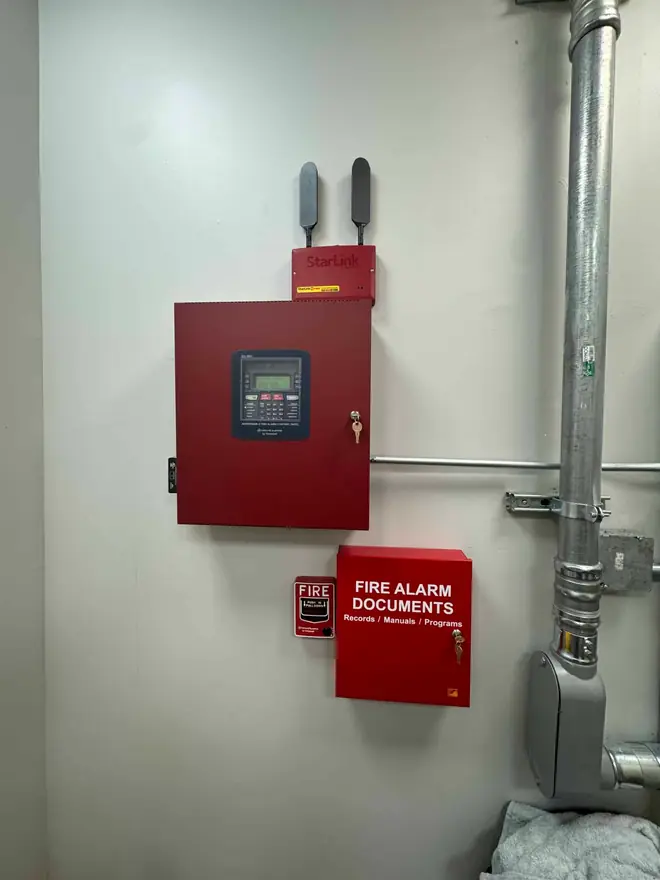
If the report refers only to “sprinkler system” or “fire alarm system” without identifying riser locations, panel names, building areas, or system types, it is harder to connect findings to the real-world equipment. That becomes a problem when you have several different systems on site, such as a wet system in conditioned space, a dry pipe sprinkler system Colorado property owners rely on in colder areas, or a pre action sprinkler system Denver facilities use to protect data rooms, archives, or spaces where accidental discharge would be especially damaging.
You want enough detail that a new facilities manager could pick up the report six months from now and understand what was inspected. The system description should not read like a mystery novel.
Dates, scope, and inspection type should be obvious
A useful service report should state when the work was done, what type of work it was, and whether it was an inspection, a test, maintenance, or a repair visit. Those are not interchangeable.
That distinction matters because many owners assume any technician visit counts toward compliance. It does not. NFPA 25 inspection Colorado schedules for water-based systems and NFPA 72 fire alarm testing Denver requirements for alarm systems both depend on the actual type of task performed. Some items are checked monthly, some quarterly, some semiannually, some annually, and some at longer intervals. A repair visit for one trouble signal is not the same as a full annual test.
The report should also show whether the system was fully accessible. If parts of the building were locked, under construction, tenant-occupied without access, or physically blocked, that should be stated plainly. Otherwise, an owner may think a full inspection happened when it did not.
This is especially important when people ask about fire sprinkler inspection frequency Colorado properties must keep up with. The answer is not one flat interval for everything. Different devices and system components can fall on different schedules. The report should help you track that reality, not blur it.
Deficiencies should be specific, not generic
The single most important section in many service reports is the deficiencies section. This is where weak reporting causes the most headaches.
If a report says “repair needed” or “system not up to code” without telling you what component is affected, where it is, how serious it is, and what condition was found, that is not enough. A useful report gives practical detail. Was a valve closed? Was a gauge damaged? Was a detector dirty or unresponsive? Was a tamper signal not received? Did a low air supervisory fail to transmit? Was a hood suppression component due for service? Was corrosion observed? Were spare sprinklers missing? Precision matters.
The reason is simple. Building teams use these reports to approve work, budget repairs, schedule shutdowns, communicate with tenants, and document due diligence. Vague language slows all of that down.
I have seen one-line notes trigger days of back-and-forth because nobody knew whether the issue was a nuisance item or a real impairment. I have also seen careful wording save clients money because they could combine related repairs into one planned service window instead of approving emergency work without context.
Watch the difference between a deficiency and an impairment
People often use these terms loosely, but they are not the same in practice.
A deficiency is a condition that does not meet the expected inspection or testing standard, or indicates something is wrong, incomplete, damaged, or overdue. An impairment commercial fire safety in Colorado is more serious. It means the system, or a meaningful part of it, is out of service or unable to perform as intended.
A good report should help you tell the difference. If the alarm panel history shows trouble conditions that affect transmission, if a control valve is shut, if a dry system cannot maintain air, or if a releasing system is disabled, that deserves immediate attention. If a cosmetic label is faded, that still matters, but it is not the same level of urgency.
This distinction becomes especially valuable in Colorado winter conditions, where sprinkler freeze protection Colorado concerns are real. A note about an area exposed to low temperatures is one thing. A condition that leaves a branch line vulnerable to freezing, or evidence that a dry or preaction arrangement is not maintaining proper operating condition, is another.
The report should show what was actually tested
For alarms and sprinkler supervisory devices, “tested okay” is not enough on its own. A strong service report gives enough substance to understand what happened during testing.
If the visit involved fire alarm detectors and panels Denver commercial buildings depend on, the report should show whether initiating devices, notification appliances, panel functions, supervisory signals, and transmission functions were part of the work performed. If some elements were excluded, the report should make that clear. The same goes for sprinkler-related alarm functions, such as waterflow and valve supervisory.
For monitored properties, especially those with fire alarm monitoring Aurora CO arrangements or similar third-party monitoring setups, it is worth checking whether transmission was confirmed during the test. Denver’s local code framework can require some alarm or emergency communication systems to transmit to a central station, a commercial monitoring service, or a continuously staffed monitoring service depending on the application. A report that ignores monitoring confirmation leaves a gap.
For sprinkler systems, the report should make clear whether the technician performed an inspection only, a functional test, or both. Owners often assume that if a riser was visited, every applicable test occurred. The report should remove that guesswork.
One strong report section often predicts the quality of the whole document
Look at how the technician documents inaccessible, obstructed, or exceptional conditions.
That section tells you a lot.
A rushed report tends to skip these details or bury them in vague comments. A careful report will say that access to a tenant suite was unavailable, storage blocked a valve or inspector’s test, construction affected a protected area, or environmental conditions limited part of the procedure. Those details protect both the service company and the owner, and they help avoid false confidence.
This matters in mixed occupancy buildings and active commercial sites. For example, a restaurant with commercial kitchen fire suppression Denver operators rely on may have changing hood conditions, equipment replacement, or grease issues that affect service quality. A report that simply says “system inspected” tells you almost nothing if the protected appliances were altered since the last visit or if access was restricted.
The write-up should connect the issue to a location
A surprising number of service reports fail here. They identify the issue but not where it is.
In a small property, that may still be manageable. In a large warehouse, hotel, school, multifamily property, or multi-tenant office building, it is a problem. “Replace detector” means very little if there are 180 detectors. “Repair sprinkler head” is not enough if there are several risers and multiple tenant improvement areas.
The report should reference a floor, room, riser designation, panel point, hood, cylinder location, or another clear identifier. If a deficiency turns into a follow-up proposal, matching the proposal back to the report should be easy.
That level of detail matters even more with specialized systems like clean agent fire suppression Colorado facilities may use to protect electrical rooms, telecom spaces, or other sensitive environments. If the report notes an issue but does not identify the protected enclosure or releasing panel involved, the owner is left guessing.
Pay attention to comments about false alarms and nuisance conditions
A report is not only about hard failures. It should also help spot patterns.
Repeated nuisance troubles, intermittent detector behavior, dirty devices, unstable communications, and unwanted activations deserve serious attention even if the system technically resets. In Denver, local code amendments address repeated unintentional false alarms and problematic systems, including repair or replacement in some circumstances and reimbursement for some false alarm responses. That means a pattern of false trips is not just annoying. It can become a code enforcement and cost issue.
If you are dealing with fire alarm false alarms Denver property teams have been struggling with, a good service report should do more than say “system normal after reset.” It should document the device or circuit involved, the event history if reviewed, probable causes if observable, and whether further diagnostics or repair are recommended.
I have seen clients lose months by treating repeated false signals as random incidents. Once the history was laid out clearly in reports, the underlying issue was usually easier to target.
A good report helps you separate testing from repairs
Some findings can be corrected on the spot. Others require parts, permits, return visits, authority coordination, or tenant scheduling. The report should make that clear.
This is especially important where local review or permitting may come into play. Colorado and local fire authorities can require permits and inspections for some regulated fire safety work, hazardous materials work, or related conditions. Not every deficiency leads to a permit, but the possibility affects schedule and planning. If your report shows major follow-up work, the next question should be whether authority review or a reinspection is likely.
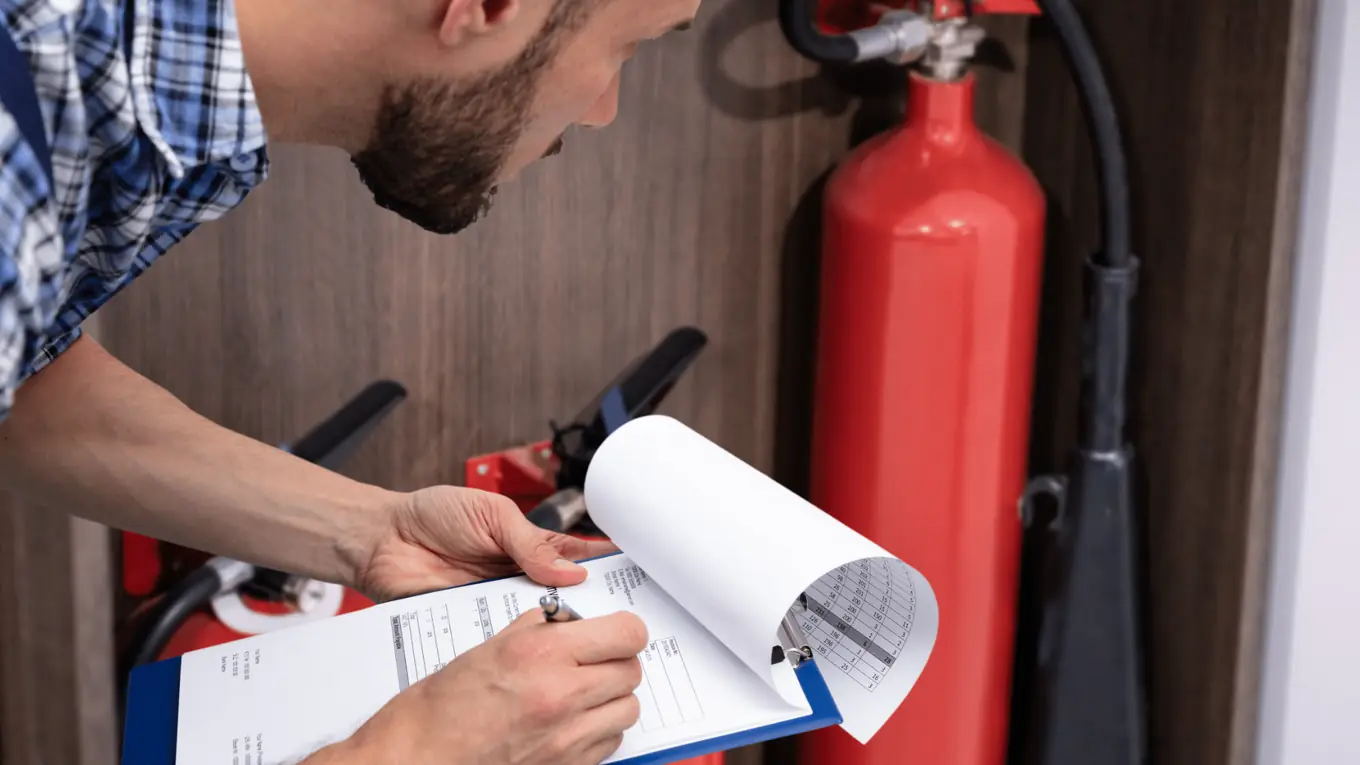
When owners are trying to maintain fire system certification Denver requirements for occupancy, tenant turnover, or insurance documentation, the difference between “tested and passed,” “tested with deficiencies,” and “repairs completed later” becomes very important.
Red flags that should prompt a phone call right away
Not every report needs a same-day response, but some findings should move to the top of the pile.
- any statement that a system, valve, releasing function, or transmission path is impaired or out of service
- repeated false alarm or trouble history without a defined corrective plan
- missing information about what was tested, especially on annual work
- findings without clear locations, making repair follow-up difficult
- notes showing areas were not inspected because access was blocked or unavailable
If any of those appear, it is worth calling the service provider and asking for clarification while the visit is still fresh.
The best reports make room for judgment, not just checkboxes
A purely checkbox-based report can satisfy a minimum administrative need, but it often fails the people who actually have to operate the building. Fire protection systems live in the real world. Buildings change. Tenants remodel. Rooms get colder than expected. Storage creeps too close to devices. Equipment gets replaced under kitchen hoods. Monitoring pathways get modified. A panel that passed last year may now be burdened by repeated service issues.
That is why the narrative comments matter.
For instance, with a dry pipe sprinkler system Colorado facilities use in loading docks or unheated spaces, a report should not pretend all winter concerns are the same. A dry system may be appropriate in one area, while a preaction arrangement may be more suitable in another depending on the contents and the risk of accidental discharge. A report does not need to redesign the system, but it should note conditions that affect performance or maintenance concerns that keep coming back.
The same goes for sprinkler freeze protection Colorado planning. Freeze risk is not solved by one generic phrase. If the building has vulnerable pockets near overhead doors, exterior walls, vestibules, attic transitions, or seasonal temperature swings, those observations are useful when documented properly.
Ask whether the report supports your maintenance calendar
One of the easiest ways to spot a weak reporting process is when the paperwork does not help the owner plan the next required visit.
NFPA 25 uses a range of recurring intervals for water-based systems. NFPA 72 does the same for fire alarm and signaling functions. Because of that, a service report should feed a maintenance calendar, not sit in a folder as a dead document. The report should help answer practical questions: What is due next month? What is due later in the year? What failed and needs repair before the next inspection cycle? What was deferred because access was unavailable?
If your paperwork never seems to line up with your service scheduling, there may be a gap between the field work and the reporting process.
This is one reason owners sometimes feel they are “always having inspections” but still cannot produce a clean compliance history when asked. The visits may have happened, but the records are not organized in a way that aligns with the required intervals.
What to ask for if the report feels thin
Sometimes the service itself was fine, but the report is too bare to be useful. In that case, it is reasonable to request clarification. Most reputable providers can add detail or explain findings.
Here are a few good questions to ask:
- Which exact devices, valves, panels, or system components were tested on this visit?
- Which deficiencies are immediate life safety concerns, and which are routine repairs?
- Were any areas not inspected or not tested, and why?
- Does any follow-up work require shutdown planning, monitoring coordination, or authority involvement?
- What is the next required inspection or testing interval for the items covered here?
Those questions tend to cut through vague wording fast.
Different systems should not all be reported the same way
A common reporting mistake is treating every fire protection system like a standard sprinkler riser or a basic alarm panel. Different systems call for different detail.
A report for fire alarm detectors and panels Denver commercial buildings depend on should reflect signal verification, supervisory functions, and monitoring communications where applicable. A report for commercial kitchen fire suppression Denver restaurants operate should reflect the hood system context and whether protected appliances and conditions match the suppression setup. A report for clean agent fire suppression Colorado occupancies use in sensitive areas should identify the protected space and the system-specific equipment involved. A report for a pre action sprinkler system Denver owners installed to limit accidental water release should make clear whether the releasing and supervisory functions were part of the tested scope.
That does not require pages of unnecessary prose. It simply means the report should match the system it describes.
Local code context matters, especially in Denver
A final point that gets overlooked is the local layer of enforcement. Denver adopts the ICC family of codes with local amendments, and local fire and building requirements can differ from the base model code language many owners are familiar with. That means a service report should never be treated as a universal pass in every jurisdiction.
If the report points to a code-related concern, or if your project involves tenant improvements, occupancy changes, recurring alarm issues, or modifications to fire protection equipment, confirm the local requirement with the authority having jurisdiction. That could be the difference between a straightforward repair and a more formal review.
This is especially relevant when the report touches alarm transmission, repeated nuisance alarms, or work tied to occupancy-specific hazards. A good service report gives you the technical facts. It does not replace local approval.
What a useful report leaves you with
At the end of a proper review, you should be able to answer a few simple questions without guessing. What system was inspected? What was tested? Did it pass, fail, or pass with deficiencies? Are any conditions urgent? What was not inspected? What needs to happen next, and by when?
If your report cannot answer those questions, it is not doing enough for you.
Good fire protection reporting is not flashy. It is careful, plainspoken, and exact. It respects that these systems sit at the intersection of life safety, property protection, compliance, and building operations. Whether the report covers an annual NFPA 25 inspection Colorado property owners scheduled for sprinklers, an NFPA 72 fire alarm testing Denver visit, a special hazard system check, or follow-up after a fire safety inspection Lakewood CO officials requested, the standard should be the same: clear enough to act on, detailed enough to trust, and honest about what still needs attention.
That is what to look for, and it is what separates a report you can file from a report you can actually use.