Understanding Deficiency Notices for Fire Alarm and Sprinkler Systems in Denver Commercial Buildings
If you manage, own, or lease commercial space in Denver, a deficiency notice can feel bigger than it first appears. It is not just a piece of paperwork from an inspection company or a fire official. It is a signal that part of your building’s life safety protection is not meeting the expected condition, performance, or documentation standard.
That matters because fire alarm and sprinkler systems are not decorative infrastructure. They are active, code-driven systems that are expected to work when the building is under stress, often with no warning and no second chance. In the Denver market, where projects move quickly and building use changes often, deficiency notices tend to show up during routine inspections, fire marshal inspection Colorado visits, tenant improvement work, or after service technicians test and maintain equipment. Sometimes the issue is mechanical. Sometimes it is paperwork. Sometimes it is a mismatch between what was installed years ago and what the building actually looks like today.
Most people do not need to become code experts overnight. They do need to understand what a deficiency notice usually means, what happens next, and how to respond without making the problem worse.
What a deficiency notice is really telling you
At its core, a deficiency notice says that a fire protection system has a condition that needs attention. The system may still be partly functional, fully functional but out of compliance in some way, or impaired enough to create a real safety concern. Those are not the same thing, and one of the most important practical steps is figuring out which situation you are actually dealing with.
For fire alarms, the framework most owners hear about is NFPA 72, which covers installation as well as inspection, testing, maintenance, and emergency communications systems. For sprinklers and related water-based systems, the conversation usually runs through NFPA 13 for installation and acceptance testing, and NFPA 25 for inspection, testing, and maintenance. In Denver, those standards matter in the context of the locally adopted code package, because Denver uses the International Code Council family of building and fire codes with local amendments.
That local piece is what catches many owners off guard. A deficiency is not judged in the abstract. It is judged in relation to the applicable standard, the adopted code, the system design, the building use, and the authority having jurisdiction, often called the AHJ. In practice, the AHJ could be the fire marshal, building official, fire chief, or another local official responsible for enforcement. In Denver, the Fire Prevention Division has authority to inspect buildings, equipment, and life safety systems, and it can investigate disabled or nonfunctioning fire protection systems.
So when a notice lands on your desk, the first question is not, “How much will this cost?” The first question is, “What exactly is deficient, and who identified it under what standard or authority?”
Why deficiency notices show up so often in otherwise decent buildings
A lot of commercial buildings in the Denver metro are not neglected. They are simply busy. Spaces turn over. Walls move. Tenants add storage, equipment, and partitions. Panels age. Monitoring arrangements change. Maintenance gets done on schedule in some years and slides in others. Over time, even a well-managed property can accumulate small issues that become visible only when someone performs a thorough fire suppression system inspection Denver or reviews records closely.
One common pattern is the building that has been altered more than once. Tenant improvement fire protection Denver work often involves permits for plumbing, fire suppression, and fire alarm systems. During construction and remodeling, fire alarm and sprinkler work is tied to permit review and inspection. If the final field conditions do not line up cleanly with the approved work, or if later modifications were made without the right follow-through, deficiencies can surface months or years later.
Another pattern is the building with decent equipment but weak documentation. A system may have been tested, but the reports are incomplete or hard to produce. A backflow assembly may have been serviced, but the records are sitting in someone’s truck or buried in an email chain from two property managers ago. When the fire marshal asks for proof, “we think it was done” does not carry much weight.
Then there is the plain reality of wear. Devices fail. Valves get bumped. Alarm components reach the point where replacement becomes smarter than repeated repair. A commercial property can look fine in a leasing brochure and still need serious attention behind the riser room door.
The difference between a deficiency and an impairment
This distinction matters more than many people realize. NFPA guidance treats deficiencies and impairments as normal parts of system maintenance language, but they do not all carry the same urgency.
A deficiency is generally a problem that needs correction. An impairment is more serious, because it suggests the system or part of it is out of service or not able to perform as intended. If a sprinkler control valve is shut, a fire alarm panel cannot communicate a signal properly, or a critical detection or suppression function is disabled, that pushes the issue into a higher-stakes category.
In the real world, owners sometimes make a costly mistake here. They assume that if the building is occupied and no one has complained, the issue must be minor. That is risky thinking. A disabled or nonfunctioning system can draw direct attention from enforcement authorities, and Denver’s Fire Prevention Division has express authority to investigate those situations.
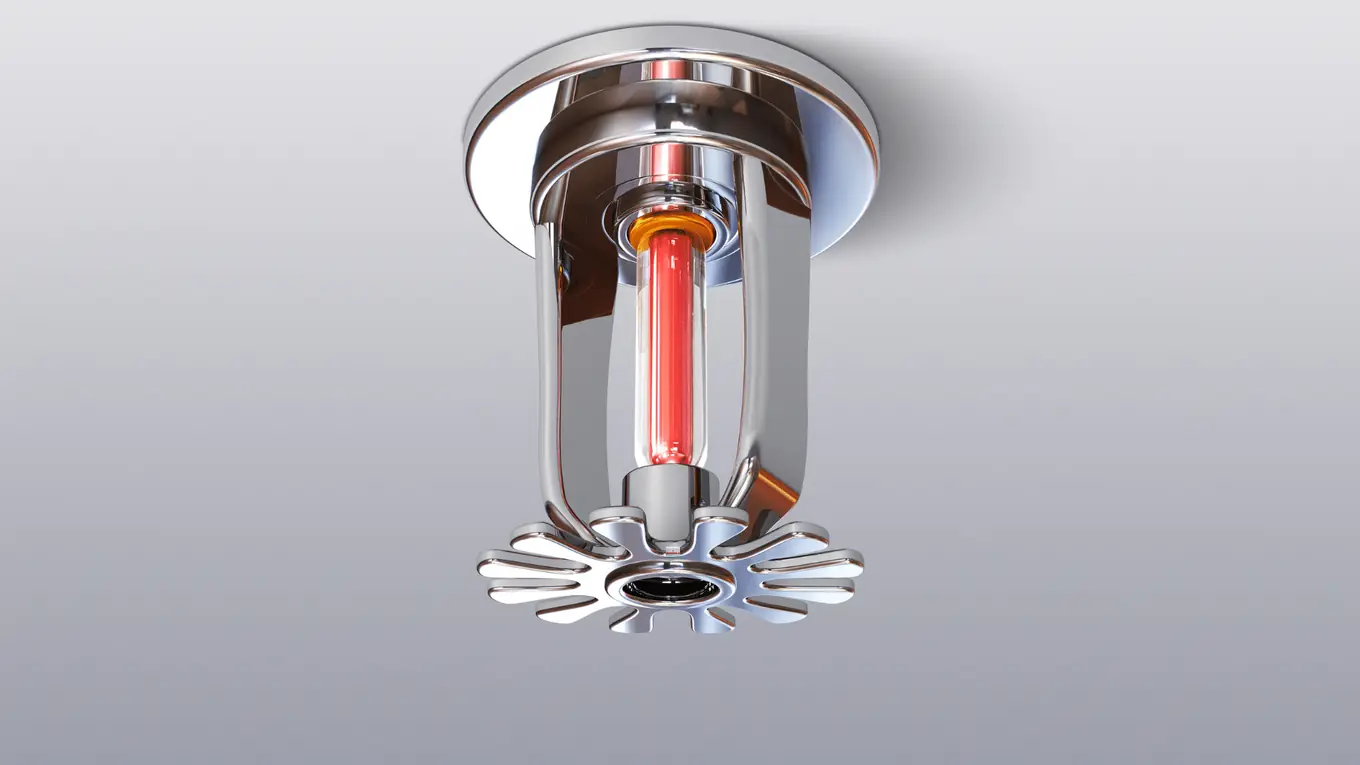
The safer habit is to read the notice carefully and ask your service provider to explain, in plain language, whether the issue is cosmetic, administrative, operational, or an actual impairment affecting life safety performance.
What fire alarm deficiencies often look like
Fire alarm systems are full of components that need to communicate clearly and consistently. When they do not, deficiency notices can range from small corrections to major system concerns.
A typical issue is a device problem, such as a detector, notification appliance, or module that does not test correctly. Another is panel-related trouble, where the control unit shows faults, supervisory signals, or communication problems. In older properties, the larger question may be whether parts are still serviceable. That is where a fire alarm panel upgrade Colorado conversation sometimes begins, not because anyone wants to spend money, but because maintaining unreliable legacy equipment eventually becomes harder than replacing it strategically.
Documentation and testing gaps also come up. NFPA 72 is not only about installation. It also covers inspection, testing, and maintenance. If those activities are incomplete or poorly documented, the deficiency notice may focus less on hardware failure and more on the owner’s inability to demonstrate that the system has been maintained properly.
There is also a design-use mismatch problem. A space that once held offices may now hold denser storage or a different tenant layout. If the alarm coverage no longer aligns with the current occupancy arrangement, that can lead to review comments during renovation or inspection, even if the original installation was acceptable years ago.
What sprinkler system deficiencies often look like
With commercial fire sprinkler systems Colorado owners usually picture broken heads or leaking pipe, but many deficiencies are more subtle. Sprinkler systems are water-based systems that depend on valves, gauges, connections, pumps, and testing routines just as much as they depend on sprinkler heads.
NFPA 13 governs the design, installation, and acceptance testing of automatic sprinkler systems. Once the system is in service, NFPA 25 governs inspection, testing, and maintenance of water-based fire protection systems, including sprinkler systems, standpipe systems, fire pumps, and water storage tanks. That split is important. It means a deficiency could arise from original installation questions, present-day maintenance issues, or both.
A Denver property manager may first hear about a problem during routine fire pump testing Colorado, annual sprinkler inspections, or backflow preventer testing Denver. A water-based system that has not been exercised, tested, or documented properly can trigger findings even if it has not visibly failed. Likewise, if a tenant remodel changed ceiling conditions, partitions, or use patterns, sprinkler coverage concerns can emerge during permit review or field inspection.
The riser room often tells the story. Missing signage, inaccessible valves, questionable gauge conditions, and inconsistent records tend to cluster there. The system itself may not be catastrophically broken, but the paperwork and physical condition together create a picture of weak stewardship. That is exactly the kind of situation that leads to fire code compliance Denver headaches later.
Who needs to care, owner, manager, or tenant?
Usually all three, though not equally.
The building owner often carries the broadest responsibility for the property’s life safety systems, especially common-area and base-building equipment. The property manager is usually the one coordinating vendors, records, and corrective work. The tenant may be responsible for conditions inside a leased suite, especially after alterations or use changes. Trouble starts when each side assumes the other is handling it.
This gets especially messy during tenant turnover. A tenant improvement project may require fire alarm, fire suppression, or plumbing permits in Denver depending on the scope. If the project team does not bring fire protection into the discussion early, the deficiency notice may show up late, after walls are closed, schedules are tight, and everyone is pointing fingers.
One office-to-medical conversion or one stockroom expansion can change the fire protection conversation dramatically. The lesson is simple. If the space is changing, ask early whether the alarm and sprinkler systems are affected, and whether permits, reviews, and inspections are required.
How Denver’s local review environment shapes the response
National standards matter, but local enforcement is where projects succeed or stall. Denver adopts the ICC building and fire code suite with local amendments, and projects may require permits and reviews tied to those codes. That means deficiency response is not just a service ticket exercise. Sometimes it is a permitting exercise, sometimes a plan review exercise, and sometimes both.
That is especially true when the fix changes system layout, component type, or operational characteristics. Replacing a like-for-like part is one thing. Reconfiguring notification appliances, adjusting sprinkler piping, or upgrading a control panel can be another. Work tied to tenant finish, alteration, or remodeling may need review and inspection before it is considered complete.
The practical effect is that speed depends on preparation. A straightforward repair can move quickly. A correction involving design review, permits, contractor coordination, and final approval takes longer. Owners who understand that early are less likely to make unrealistic promises to tenants or insurers.
The first moves after you receive a notice
The best responses are boring and organized. Panic creates delays. Denial creates bigger bills.
Here are the first actions that usually help most:
- Read the notice line by line and identify whether it came from a service inspection, the fire marshal, or another AHJ-related review.
- Separate operational issues from paperwork issues, because they may follow different timelines and need different people.
- Ask your fire protection contractor to explain each item in plain terms, including whether any item represents an actual impairment.
- Gather the last inspection reports, testing records, permits, certifications, and previous deficiency history for the same system.
- If the issue connects to recent remodeling or tenant work, pull the permit and closeout documents before authorizing corrective work.
That fifth step saves a lot of frustration. I have seen situations where a contractor was asked to “fix the deficiency” only to discover that the field condition matched old approved plans, while the real issue was later unpermitted work by another trade. Without the paper trail, everyone wastes time solving the wrong problem.
Records are not glamorous, but they are often decisive
In many Denver commercial buildings, the records cabinet tells you almost as much as the equipment itself. When fire officials or service providers review a property, they want to see whether the owner can demonstrate routine care. Inspection reports, deficiency notices, certifications, and related paperwork should be easy to locate and reasonably current.
This is especially important for systems covered under recurring testing and maintenance expectations. Fire pump testing Colorado and backflow preventer testing Denver are good examples. Those activities are not one-time achievements. They are ongoing obligations within the broader life safety picture. The same goes for fire extinguisher service Denver, which often seems separate in day-to-day operations but contributes to the overall impression of how seriously a property treats emergency fire protection Colorado.
A missing report does not always mean the work never happened. But in enforcement or liability terms, missing proof can become its own problem. Smart managers treat records the way accountants treat ledgers, with consistent naming, storage, and retention habits.
When repair is enough, and when an upgrade makes more sense
Not every deficiency demands a capital project. Plenty of notices can be closed with straightforward maintenance, component replacement, retesting, and documentation. The challenge is knowing when repeated minor fixes are masking a bigger systemic issue.
Older fire alarm panels are the classic example. If one device fails once, repair is reasonable. If parts are hard to obtain, service calls multiply, and the panel generates recurring trouble conditions, a fire alarm panel upgrade Colorado may become the more responsible path. The same logic can apply to portions of a water-based system where recurring deficiencies suggest deeper maintenance or design concerns.
This is where experience matters. Cheap fixes sometimes cost more because they stretch disruption over months, especially in occupied commercial spaces. On the other hand, owners should be wary of anyone who treats every deficiency as a reason to sell a major retrofit. The right answer depends on the age of the equipment, serviceability, the building’s current use, permitting implications, and how long the owner plans to hold the asset.
How tenant improvements complicate everything
Tenant work creates some of the most stubborn deficiency disputes because the timeline is compressed and responsibilities are divided. A new layout may need alarm device changes, sprinkler adjustments, or both. Denver materials show that tenant finish and alteration projects can involve fire alarm and fire suppression permits, and that these systems are tied to review and inspection during construction and remodeling.
In practice, the fire protection scope often gets underestimated early. A tenant sees a simple wall relocation. The architect sees a finish package. The GC sees framing and ceiling work. Then someone notices the horn-strobe spacing no longer works or the sprinkler head placement is no longer appropriate for the new room arrangement.
By then, the schedule is already tight.
The smoother projects usually share a few habits:
- Fire protection is reviewed during planning, not after rough framing.
- Existing system records are collected before design assumptions are made.
- Permit implications are discussed before pricing is locked.
- Final testing and closeout documentation are treated as part of turnover, not an afterthought.
Those habits reduce the odds of a deficiency notice surfacing right when a tenant is trying to open for business.
A realistic way to talk with your contractor and the AHJ
Owners do not need to speak in code citations to manage deficiency work well. They do need clarity. Ask direct questions. Which standard is this issue tied to, NFPA 72, NFPA 13, NFPA 25, local code, permit conditions, or some combination? Is the system impaired or merely deficient? Can the correction be made as maintenance, or does it require permit review? What records will prove closure?
That last question matters because “fixed” and “closed out” are not always the same thing. A technician may replace a part today, but if the issue requires retesting, updated reports, permit signoff, or AHJ review, the administrative finish line may come later.
The better fire protection Denver metro contractors are usually comfortable walking clients through that difference. They know that good technical work still needs a clean paper trail, especially when the building may later face a fire marshal inspection Colorado review, an insurance question, or due diligence this website during sale or refinancing.
Why waiting rarely helps
Deficiency notices age badly. Small issues become larger ones when systems continue to operate without correction, or when repeated reports create a clear history of owner inaction. Even when the immediate risk seems modest, delay complicates scheduling, parts sourcing, tenant communication, and code compliance positioning.
It also erodes trust. A tenant who hears that a sprinkler issue has been “in progress” for six months stops believing the building team has control of the basics. The same is true for insurers, buyers, and enforcement officials reviewing patterns over time.
Most owners do not need perfection. They need momentum. A documented response, a credible correction plan, appropriate maintenance, and a complete record of follow-through go a long way.
The practical mindset that keeps notices manageable
The healthiest way to think about deficiency notices is not as evidence of failure, but as part of the normal discipline of building stewardship. Fire protection systems live in the background until someone tests them, inspects them, alters the space around them, or depends on them during an emergency. That is why routine fire alarm system maintenance Denver service, water-based system inspections, and good records matter so much. They keep surprises smaller.
A well-run Denver commercial building does not avoid every deficiency forever. Buildings are too dynamic for that. What it does is catch issues earlier, respond intelligently, and keep the relationship between equipment, paperwork, and local code expectations aligned. When that happens, deficiency notices become manageable work items instead of last-minute crises.
That is the difference between a property that is merely occupied and a property that is genuinely prepared.