Seasonal Fire Sprinkler Checks for Colorado Facilities: Winter, Spring, Summer, and Fall
Colorado is hard on building systems, and fire protection equipment feels every bit of it. A facility in Denver might deal with deep freezes, warm chinook swings, wind-driven dust, sudden spring moisture, summer construction activity, and fall prep for another cold season, all in one year. That matters because sprinkler and alarm systems do not fail in dramatic, obvious ways most of the time. More often, they drift. A valve gets bumped. A low spot holds water where it should not. A detector near a dusty loading area starts to act up. A panel reports a supervisory signal that gets acknowledged and forgotten.
That is why seasonal fire protection work is not just a nice maintenance habit. It is a practical way to stay ahead of the inspection, testing, and maintenance duties that already exist under NFPA 25 inspection Colorado practices and NFPA 72 fire alarm testing Denver expectations. NFPA 25 sets the core framework for water-based fire protection systems, including minimum inspection and testing frequencies for many items. NFPA 72 does the same for alarm and signaling systems. Then local code enforcement adds another layer, especially in Denver, where adopted codes and amendments can differ from the base model language. If you manage a facility, the smartest move is to treat the national standards as the backbone and confirm local details with the authority having jurisdiction.
The seasonal approach works because it matches how Colorado buildings actually behave. It also helps answer a question owners ask all the time: what should we be paying attention to right now?
The calendar matters because frequencies stack up
One of the most common misunderstandings around fire sprinkler inspection frequency Colorado facilities face is the idea that there is one annual visit that covers everything. In practice, that is rarely how a healthy program works. Water-based systems often have monthly, quarterly, semiannual, annual, and multi-year tasks. Alarms have their own inspection, testing, and maintenance rhythm. Monitoring arrangements, kitchen suppression, and special hazard systems add more moving parts.
On paper, this can look bureaucratic. In the field, it is just common sense. Some components can change condition quickly, especially valves, gauges, low-point drains, and trouble signals. Others need more involved functional testing that makes sense once or twice a year. Some items only come due after longer intervals, but they still need to be tracked. A seasonal plan turns that stack of obligations into something managers can actually manage.
I have seen facilities do very well with a simple rule: if a component is vulnerable to weather, occupancy changes, or housekeeping habits, look at it before the season makes the problem expensive.
Winter is where Colorado punishes weak points
Winter separates the facilities that merely have sprinkler systems from the ones that truly maintain them. Freeze exposure is the obvious concern, but not the only one. Heating patterns change. Exterior doors stay open longer at loading docks than anyone admits. Snow piles alter access around riser rooms and fire department connections. Mechanical rooms get repurposed for storage, which sounds harmless until someone blocks a control valve or air compressor.
In colder parts of a building, sprinkler freeze protection Colorado planning should never be an afterthought. Dry systems and preaction systems exist for a reason. A dry pipe sprinkler system Colorado facilities rely on still needs close attention when the temperature drops, because the system’s value lies in how well it is maintained, not just in the fact that it is dry by design. Water trapped where it should not be, condensation issues, or neglected auxiliary drains can create headaches fast. A pre action sprinkler system Denver facilities use in data rooms, archives, or other sensitive spaces brings its own set of control, detection, and supervisory features that should not be assumed to be ready just because the room looks clean and finished.
The winter check is often less glamorous than people expect. It starts with basic conditions. Are the valve rooms heated appropriately and consistently? Are there signs that doors, louvers, or wall penetrations are letting in cold air? Are pressure readings where they normally sit, or has something shifted? Have low-point drains been overlooked after weather changes? If a facility uses portable heaters as a stopgap, that alone is a sign the building condition needs a closer look.
One memorable issue I ran across in a mountain-adjacent property was not a failed sprinkler component at all. The real problem was a janitorial team propping a service corridor door open during early morning trash runs. The corridor fed a space with branch lines near an exterior wall. Nothing froze solid that week, but the room temperature dipped enough to create a repeated risk. That is how many winter impairments begin, not with a dramatic equipment failure but with an operational habit.
Winter is also when fire alarm reliability gets tested. Cold weather itself may not directly damage every device, but it exposes weak installation conditions and neglected maintenance. Trouble signals, supervisory conditions, and nuisance issues need prompt follow-up, especially in facilities with central or commercial monitoring. Depending on the application, Denver code requires some alarm or emergency communication devices to transmit to a central station, a commercial monitoring service, or a continuously staffed monitoring service. If your fire alarm monitoring Aurora CO arrangement is part of your life safety plan, winter is a poor time to discover that signal routing, staffing assumptions, or response procedures were only half understood.
Spring is for finding what winter hid
Once temperatures begin to settle, the smartest facilities do not simply breathe a sigh of relief and move on. Spring is the season for uncovering minor winter damage and correcting conditions that were tolerated in the cold months.
This is a good time to review valve supervision, inspect areas that were hard to access during snow events, and look closely at spaces with high moisture swings. Water-based systems may reveal leaks, corrosion clues, or pressure irregularities that were not obvious in January. It is also a practical window to line up the more involved portions of your NFPA 25 inspection Colorado work if winter scheduling was tight.
Spring also tends to reveal housekeeping problems. Storage creeps up over the winter. Clearance around risers gets compromised. Ceiling spaces pick up debris from projects that were rushed before year-end. None of that is trivial. Sprinklers are intended to discharge immediately when heat opens them, and maintenance findings across the industry routinely uncover conditions that interfere with that basic purpose. You do not need an exotic failure mode to create risk. Sometimes the problem is simply that equipment cannot be reached, seen clearly, or tested without first moving six months of stored material.
If your building has alarm devices in spaces affected by dust, moisture, or occupancy swings, spring is a good time to look at the pattern behind nuisance events. Fire alarm false alarms Denver properties deal with are not just an annoyance. Local code amendments in Denver address repeated unintentional false alarms and problematic systems, including repair or replacement in some cases, and reimbursement for some false alarm responses. That should get any facility manager’s attention. A detector that trips during every seasonal cleaning cycle, or a panel that repeatedly reports trouble without a lasting fix, is not a small issue. It is a maintenance and compliance issue.
Spring can also be the right time to coordinate related systems. If a site has fire alarm detectors and panels Denver technicians will be testing, try to align that work with sprinkler supervisory and flow-related checks where practical. Not every task has to happen on the same day, and sometimes it should not, but communication between trades matters. The best service visits are the ones where the alarm side and the suppression side tell the same story about the building’s condition.
Summer brings work, changes, and accidental damage
Summer is often the busiest season for tenant improvements, reroofing, dock work, and deferred facility projects. That makes it a prime season for accidental impairment. A building can have an excellent annual report on file and still be sitting in a risky condition because a contractor moved ceiling tiles, shut a valve, dusted up a detector, or changed room use without anyone updating the fire protection plan.
This is when seasoned managers become a little skeptical in the best possible way. If someone says, “We’re only doing minor work,” ask what that means for detectors, sprinkler obstructions, monitoring, and access to fire protection equipment. Colorado and Denver area projects can involve permit and inspection coordination, and local authorities may require review for certain regulated fire safety work. Leaving that conversation until after the work starts is how schedules slip and systems end up impaired longer than anyone intended.
Summer is also a useful time to revisit specialty hazards. A commercial kitchen fire suppression Denver setup deserves attention before the busiest catering season or before occupancy spikes around events. Grease-producing operations are hard on suppression components and detection features, and kitchens are notorious for changes in layout, appliances, and hood use patterns. Likewise, a clean agent fire suppression Colorado installation in a server room or equipment space should be treated as a living system, not a sealed museum exhibit. Room use changes, cable penetrations appear, and building staff may not realize that a door replacement or HVAC tweak can affect how the protected space performs.
There is also a people side to summer risk. Temporary staff, student workers, and subcontractors are more common. They may not know what a tamper switch is, why a riser room cannot become a staging area, or what to do if a panel shows a supervisory condition. A five-minute orientation can prevent a five-hour impairment.
One practical habit I recommend is a brief walk-through before any major summer project begins, with maintenance, the project lead, and the fire protection vendor if needed. That conversation catches the obvious things. Which valves serve the area? go here Which detectors are nearby? Will dust or heat from the work affect alarm devices? Does the monitoring provider need notice for testing? It sounds basic because it is, and basic coordination prevents a lot of avoidable trouble.
Fall is the make-or-break season
If winter exposes weaknesses, fall is when you decide whether those weaknesses get fixed in time. Every Colorado facility should treat autumn as the season to rehearse winter readiness. By October, or earlier in colder zones, building teams should know whether freeze-vulnerable areas are truly protected or merely hoped for.
This is the right time to review all spaces that depend on heat to protect wet piping, as well as all dry and preaction portions of the building. A dry pipe sprinkler system Colorado property managers depend on in parking structures, unheated docks, or exterior canopies should not be left to chance. A pre action sprinkler system Denver operators rely on in mission-critical rooms should be verified with the same seriousness. The point is not to duplicate full code testing every season, but to make sure the conditions that support those systems are in place before freezing weather returns.
Fall is also a smart time to look at documentation. Has every deficiency from the year been closed, or are there “temporary” notes that have quietly aged into permanent risk? Is your fire system certification Denver paperwork current where required? Are monitoring contacts, after-hours numbers, and impairment procedures up to date? When a winter issue hits on a holiday weekend, stale phone lists suddenly become a real problem.
The seasonal priorities in fall usually look something like this:
- Verify heat and freeze exposure conditions in sprinkler rooms, attics, docks, canopies, and other vulnerable spaces.
- Resolve open deficiencies from earlier inspections, especially valve, supervisory, and freeze-related issues.
- Confirm alarm monitoring pathways, contact lists, and test coordination procedures.
- Review recent construction or occupancy changes that may have altered sprinkler or detector coverage.
- Schedule any overdue inspection and testing work before winter staffing and weather complicate access.
Those five steps are not a substitute for formal inspections, but they do create a cleaner handoff into the cold months.
Alarm systems deserve the same seasonal discipline
Facilities sometimes separate sprinklers and alarms in their minds, treating one as plumbing and the other as electronics. That split causes blind spots. The systems are different, but their reliability depends on the same things: disciplined inspection, prompt repair, and a building staff that takes trouble signals seriously.

NFPA 72 fire alarm testing Denver programs are not just about proving horns and strobes can activate. The standard covers the larger signaling ecosystem, including monitoring and emergency communications functions. In practical terms, seasonal review should ask whether the system is communicating what it should, to whom it should, when it should. That matters in multi-tenant facilities, schools, mixed-use properties, and buildings with changing occupancy patterns.
Detector performance is especially seasonal. Dust from summer projects, humidity swings in spring, and winter door habits can all affect conditions around devices. Repeated nuisance events are easy to normalize, especially if they clear quickly. That is a mistake. Denver’s attention to problematic fire alarm systems and false alarm response should tell owners that recurring issues are not just technical annoyances. They are signs the system needs repair, adjustment, replacement, or operational changes.
For a facility manager in Lakewood or Denver, a fire safety inspection Lakewood CO or city-specific review often goes more smoothly when the site has already been doing this homework all year. The difference shows. Staff know where equipment is. Inspection tags and reports are organized. Open items are understood, not discovered in a panic while an inspector waits.
What seasoned facility teams watch for between formal visits
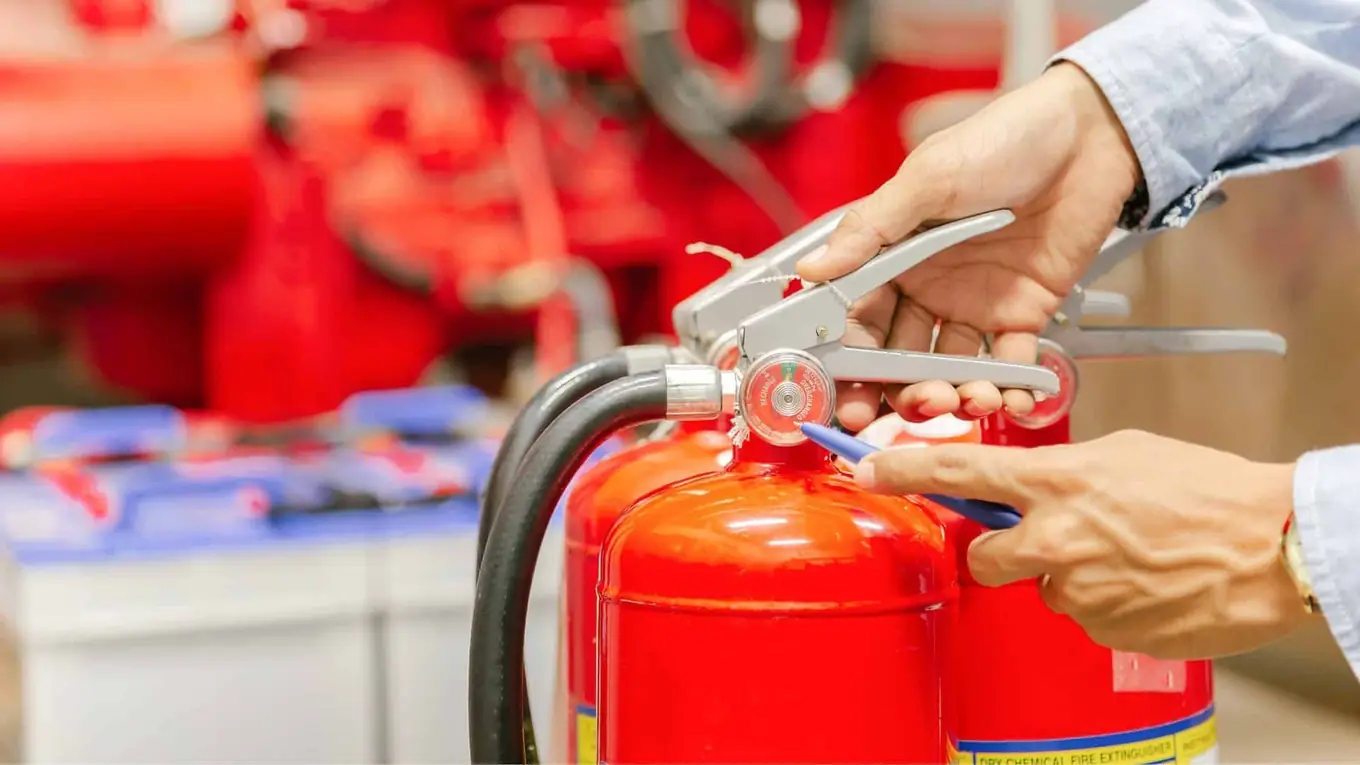
Formal inspection frequencies matter, but a lot of good fire protection maintenance happens in the ordinary weeks between contractor visits. Building engineers often spot issues first, long before a scheduled annual test. The trick is knowing what is worth escalating.
Here are the signs I tell teams not to shrug off:
- A valve found closed, partially closed, or in a different position than normal.
- Pressure readings that drift from the usual range without an obvious explanation.
- Recurring supervisory, trouble, or false alarm activity on the panel.
- New storage, tenant changes, or construction near risers, sprinklers, or detectors.
- Any area where heat, moisture, dust, or freezing conditions have changed.
None of those observations require a diagnosis on the spot. They just require respect. Small changes in a fire protection system often point to larger maintenance needs.
The local piece can change the plan
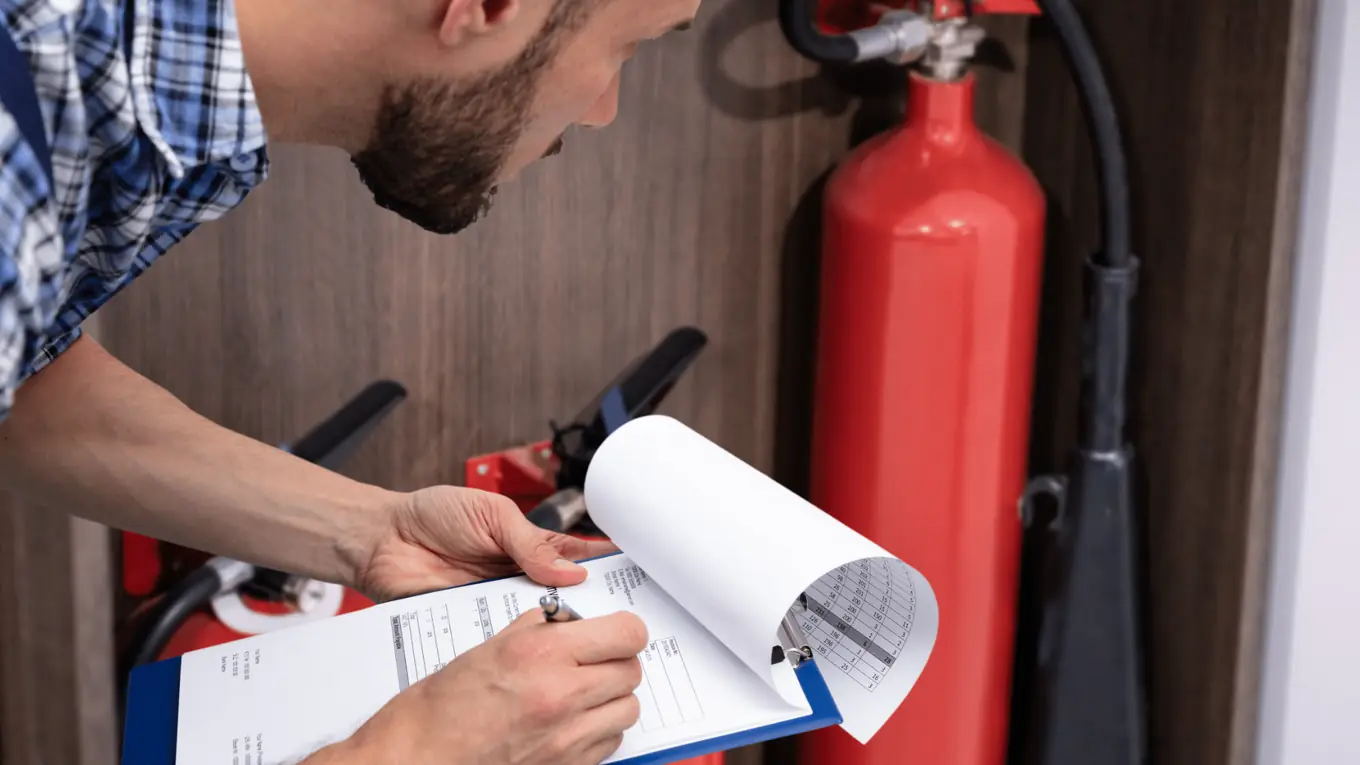
National standards provide the structure, but they are not the whole story. Denver adopts the ICC family of codes with local amendments, which means project and compliance requirements can differ from the base model language. That is not a technicality. It affects permits, coordination, approvals, and sometimes the urgency of corrective action.
For that reason, no seasonal maintenance plan should live in isolation from local enforcement realities. If your site is in Denver, Aurora, Lakewood, or another Front Range jurisdiction, confirm what the authority having jurisdiction expects for your system type, occupancy, and scope of work. This is especially important when a seasonal check uncovers something that may require more than simple maintenance, such as a repeated false alarm issue, a system modification tied to a tenant improvement, or regulated work that needs review before proceeding.
A good vendor can help identify the likely path, but the owner or manager still benefits from understanding the local overlay. It prevents the common mistake of assuming that “we meet NFPA” automatically means “we are fully cleared locally.” Often those line up well. Sometimes they do not.
Building a year that does not depend on luck
The best fire protection programs I see in Colorado are not the fanciest. They are the most consistent. Someone owns the calendar. Someone reviews reports promptly. Deficiencies get tracked to closure. Seasonal conditions are discussed before they become impairments. Alarm and sprinkler work are coordinated instead of siloed.
That approach works whether the facility is a warehouse with a dry pipe sprinkler system Colorado weather makes necessary, an office with sensitive electronics protected by a pre action sprinkler system Denver designers specified, a restaurant with commercial kitchen fire suppression Denver code requires, or a data environment using clean agent fire suppression Colorado businesses depend on to protect equipment. The details differ. The discipline does not.
When a facility treats winter, spring, summer, and fall as operational checkpoints rather than just weather patterns, the systems tend to stay healthier. Inspections become less dramatic. Emergency calls become less frequent. False alarm patterns get addressed before they harden into code problems. And when the local inspector, insurance representative, or fire marshal asks for the history of a system, the records tell a calm story instead of a chaotic one.
That is the real value of seasonal checks. They turn fire protection from a reactive expense into a steady part of running the building well. In Colorado, that shift is rarely optional for long. The weather will test your systems anyway. It is better to meet that test on your own schedule.