Fire System Certification Colorado: What Approval and Acceptance Can Mean for Commercial Projects
If you work on commercial construction in Colorado, especially along the Front Range, you already know that the words approval and acceptance carry real weight. They are not vague administrative milestones. They can affect when a tenant moves Pre Action Fire Denver in, when final sign-off happens, whether a fire alarm permit can close, and how much rework lands back on the project team.
In the Denver market, that reality shows up early and often. Fire protection work sits at the intersection of design, permitting, inspections, testing, and code enforcement. The Fire Code Official, the Fire Marshal, and the Denver Fire Department Fire Prevention Division all play a role in enforcing fire code requirements and inspecting hazards, disabled life safety systems, and false alarms. For owners, general contractors, property managers, and tenants, that means fire system certification Colorado is not just a paperwork issue. It is part of how a building proves it is ready to operate safely.
That is why people in commercial fire protection Colorado tend to speak carefully about a system being approved versus a system being accepted. The distinction can seem small when you are looking at drawings in a preconstruction meeting. It feels much bigger when a schedule is tight, the occupancy date is set, and one unresolved test prevents final sign-off.
Why these terms matter on real jobs
On paper, a commercial fire protection system moves through a clear sequence. Plans are developed. Permits are obtained where required. Authorities review the work. The installed system is tested. Then the job can move toward sign-off.
Real projects are rarely that tidy.
One trade finishes late. A wall changes. Device locations shift. A sprinkler branch line conflicts with another system. The alarm vendor has to revise programming after a field change. Someone realizes the test records are incomplete. None of those problems automatically mean the project is in serious trouble, but they do show why approval and acceptance should never be treated as interchangeable shorthand.
Colorado law is firm on one core point. Fire suppression system installation, modification, alteration, or repair generally cannot start until required permits are obtained, the job has been registered, and working plans and hydraulic calculations have been reviewed and approved. That matters for fire sprinkler installation Denver projects and for other water-based fire protection work. Approval, in that context, is tied to the front end of the job. It tells you the work has been reviewed and cleared to proceed within the applicable requirements.
Acceptance comes later, after installation and testing. Denver’s process notes that acceptance or approval is required before final sign-off of fire alarm and fire protection permits. In practical terms, that means a system may be installed and look complete, yet the permit is not ready to close until the authority having jurisdiction is satisfied.
That is the point where many project teams discover that “close enough” is not a real strategy.
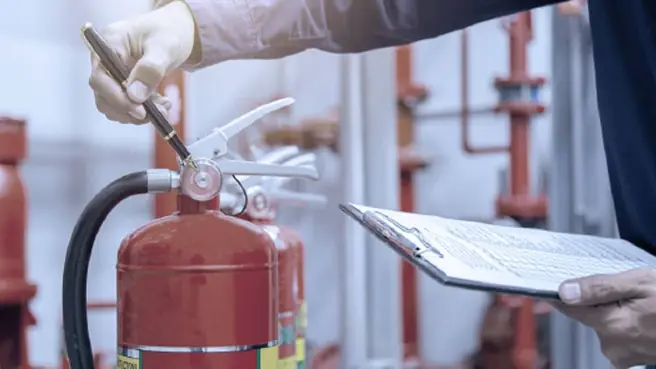
Approval usually starts with plans, permits, and code review
The easiest way to think about approval is as a gate at the start of the work. Before a contractor starts hanging pipe or pulling alarm circuits, the project usually needs the proper permit pathway and plan review. In Denver, permits are required for most construction, alteration, or repair work on private property. The city also notes that it adopted new 2025 Building and Fire Codes effective December 31, 2025, with some projects allowed to use either the 2025 or 2022 code set depending on the submittal date.
That single detail can shape a project more than people expect.
When a project falls near a code transition, the team needs clarity on which code set applies. If that question is left fuzzy, it can affect the design review, field installation, and final testing. On complex jobs, especially tenant improvements in occupied buildings, that can ripple across multiple trades. A fire protection designer may be working from one set of assumptions while a consultant or reviewer is checking against another. Nobody enjoys sorting that out after installation.
Denver’s plan review process includes fire protection engineering review. That tells owners and contractors something important. Fire protection is not a side conversation tucked into the end of the permit set. It receives dedicated technical review. If your scope includes fire alarm work, sprinkler revisions, or other life safety components, the quality of the submittal matters.
This is where experienced teams save time. They know that approval is easier when the plans are coordinated, the scope is clearly defined, and the documentation matches the actual building conditions. They also know that a rushed submittal often creates delays later. A few extra hours spent checking the details can prevent a few extra weeks of back-and-forth.
Acceptance is where installed work has to prove itself
Approval lets work move forward. Acceptance asks whether the installed system actually performs the way it is supposed to perform.
For fire alarm systems, NFPA 72 is the national code that addresses design, installation, inspection, testing, maintenance, and emergency communications systems. It covers how fire alarm systems should operate, including initiation, notification, supervision, and ongoing care. In a commercial setting, acceptance is where those expectations stop being theory. Devices need to respond. Notification needs to function. Supervisory signals need to report correctly. The system needs to behave the way the approved design and applicable code require.
For water-based systems, NFPA 25 governs inspection, testing, and maintenance. While NFPA 25 is often associated with the ongoing life of the building after turnover, it also frames the discipline owners should expect around records, testing, and system condition. If a building is moving toward occupancy, it is not enough for the sprinkler piping to be in place. The project team needs confidence that the system has been installed, tested, and documented in a way that supports final acceptance and future maintenance.
That distinction is especially important for fire alarm monitoring Denver facilities rely on after occupancy. Monitoring can only do its job if the field devices, control functions, and supervising pathways are aligned with the system design and accepted operation. The same logic applies to fire suppression systems Denver businesses count on in kitchens, special hazard areas, or other protected spaces. A system may be physically present, but until it has passed the required steps for acceptance, the owner still has unfinished business.
What approval and acceptance can mean for the project schedule
In a schedule meeting, fire protection milestones often look deceptively small. Someone may write “alarm final” or “sprinkler acceptance” on a whiteboard as if it is a quick box to check. On a straightforward project, it might be. On a complicated one, it can become the last barrier between substantial completion and actual turnover.
The practical consequences show up in a few predictable ways:
- final sign-off can stall even when most of the visible work is complete
- move-in dates can tighten if testing uncovers deficiencies
- other closeout activities may wait on completed fire protection approvals
- corrective work can involve more than one trade when field conditions changed
- occupancy planning gets harder when the fire protection status is uncertain
None of that is dramatic. It is just how commercial construction works. Fire protection is a life safety system, so authorities are not treating it like a cosmetic punch list. If a test fails, if records are missing, or if the installed work does not match the permitted scope, the system may need correction before the project can fully move ahead.
That is one reason emergency fire protection Denver contractors sometimes get pulled into jobs at the least convenient moment. A project team may be days from turnover when it realizes a disabled life safety feature, an unresolved deficiency, or an uncoordinated system issue still stands in the way. At that point, everyone wishes the fire protection work had been treated as an early coordination item rather than a late closeout task.
Denver adds a local layer that owners should respect
Every jurisdiction has its own process habits, and Denver is no exception. The city’s enforcement structure, inspection practices, and acceptance requirements matter because they shape how commercial work actually gets finished. In Denver, the Fire Prevention Division has an active role in code enforcement, hazard inspection, and issues involving life safety systems and false alarms. That local authority affects both new construction and existing occupied buildings.
Denver also states that commercial and institutional properties are inspected annually, typically about every 12 months. Those fire safety inspections Denver owners see are not limited to a quick glance at an extinguisher tag. The city’s materials indicate that inspectors may review exits, emergency lighting, fire-resistive separations, fire lanes, and test records for fire safety systems. If violations are found, an order notice for correction can follow.
That matters for two reasons. First, fire system certification Colorado is not just a turnover issue for newly completed work. Second, the building’s records and ongoing maintenance habits become part of the property’s operating reality.
A newly accepted system still has to survive annual scrutiny. If the documentation is disorganized, if inspection intervals are missed, or if system impairments are not handled properly, the owner can feel the consequences well after the ribbon cutting.
The handoff from project to operations is where many buildings stumble
One of the most overlooked parts of any commercial project is the moment when construction responsibility shifts to building operations. During construction, everyone is focused on completion. After turnover, the focus changes to reliability, records, service intervals, and readiness for the next inspection.
That is where approval and acceptance reveal their full value. A properly reviewed and accepted system gives the owner a stronger starting point for long-term compliance. It also makes recurring services more manageable, whether that means fire extinguisher inspections Denver facilities need, a scheduled fire pump inspection Denver properties must keep up with, or backflow inspection Denver buildings often coordinate as part of water-based system oversight.
Those items are related, even when they are handled by different technicians or different vendors. A commercial building is not protected by one device or one permit. It is protected by a network of systems and records. Sprinklers, alarms, extinguishers, pumps, monitoring, separations, emergency lighting, and egress conditions all affect the overall fire and life safety picture.
That is why NFPA compliance inspections Colorado owners plan for should be treated as part of an operational calendar, not as interruptions. When those inspections are routine and records are current, the building is in a far better position during annual review or after a system issue.
Where misunderstandings happen most often
In my experience, the biggest misunderstandings tend to come from assuming that one green light means every green light has been earned. It does not work that way.
A permit approval does not automatically mean the installed condition will be accepted. A system that powers up does not automatically mean it meets the accepted sequence of operations. A passing contractor pretest does not automatically replace the official acceptance process. And one completed trade scope does not mean the full life safety package is ready for sign-off.
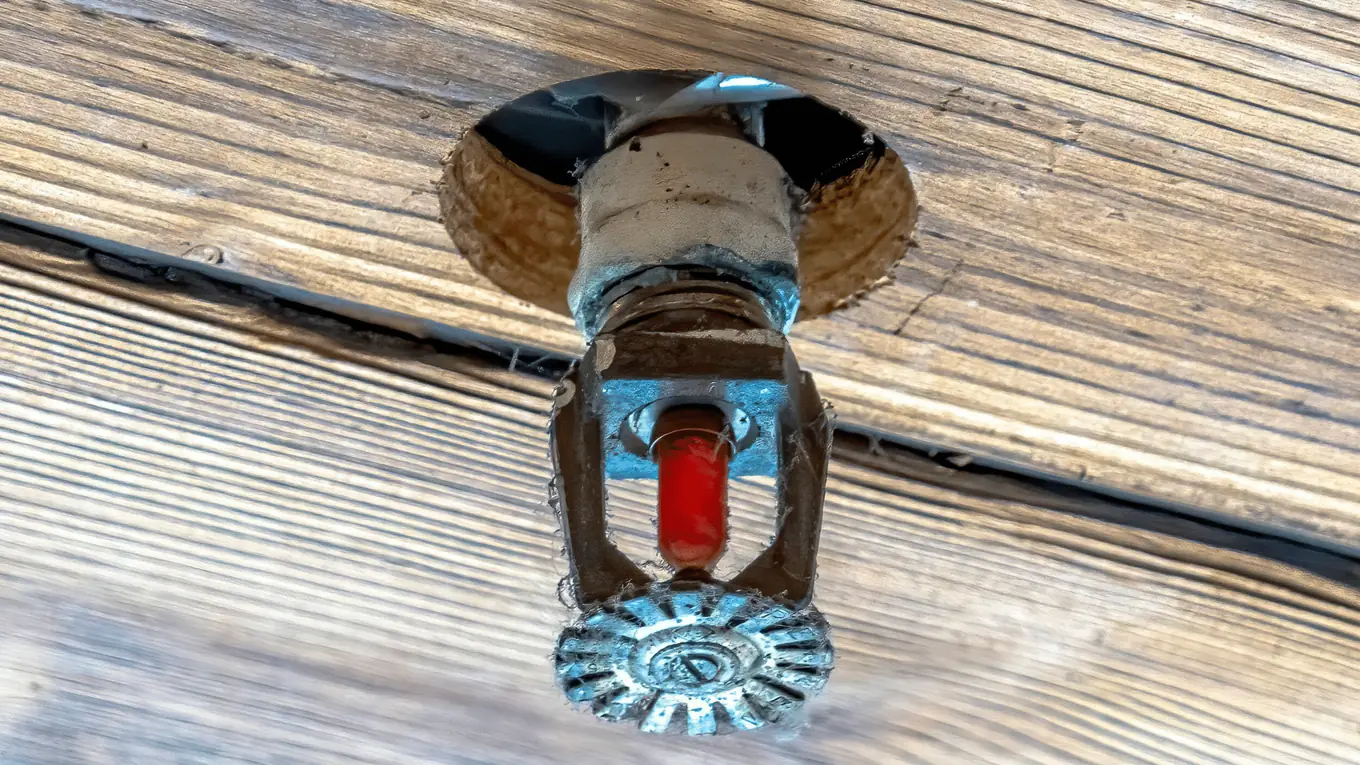
That is especially true on renovations in existing commercial spaces. Tenant improvement work can look simple from a distance. Move a wall, add devices, relocate sprinkler heads, update a suite entry. Yet even modest changes can trigger important coordination questions. If the plans do not fully reflect field conditions, or if the work affects another life safety feature, the acceptance process can become more involved than expected.
Another common issue is timing. Fire protection testing often depends on other systems being ready. If power is not stable, if access control is unfinished, if elevator interfaces are incomplete, or if another trade has not restored ceilings or finishes, the acceptance event may need to wait or be repeated. No one likes paying twice for the same mobilization, but that is what poor sequencing tends to create.
What smart project teams do differently
The teams that move through approval and acceptance with fewer headaches usually share the same habits. They do not treat fire protection as a final-week item. They ask early which permits are required. They confirm the code path. They coordinate design changes promptly. They schedule testing realistically. And they keep records in order.
Here is a simple way to think about that preparation:
- confirm permit and plan review requirements before field work starts
- align the design team, installing contractor, and owner on the applicable code set
- track changes in the field so the installed work still matches the approved intent
- prepare for acceptance testing with complete records and coordinated trade support
- carry the system into operations with a clear plan for inspections, testing, and maintenance
None of that is flashy. It is disciplined project management. Yet that discipline is usually what separates a smooth closeout from a painful one.
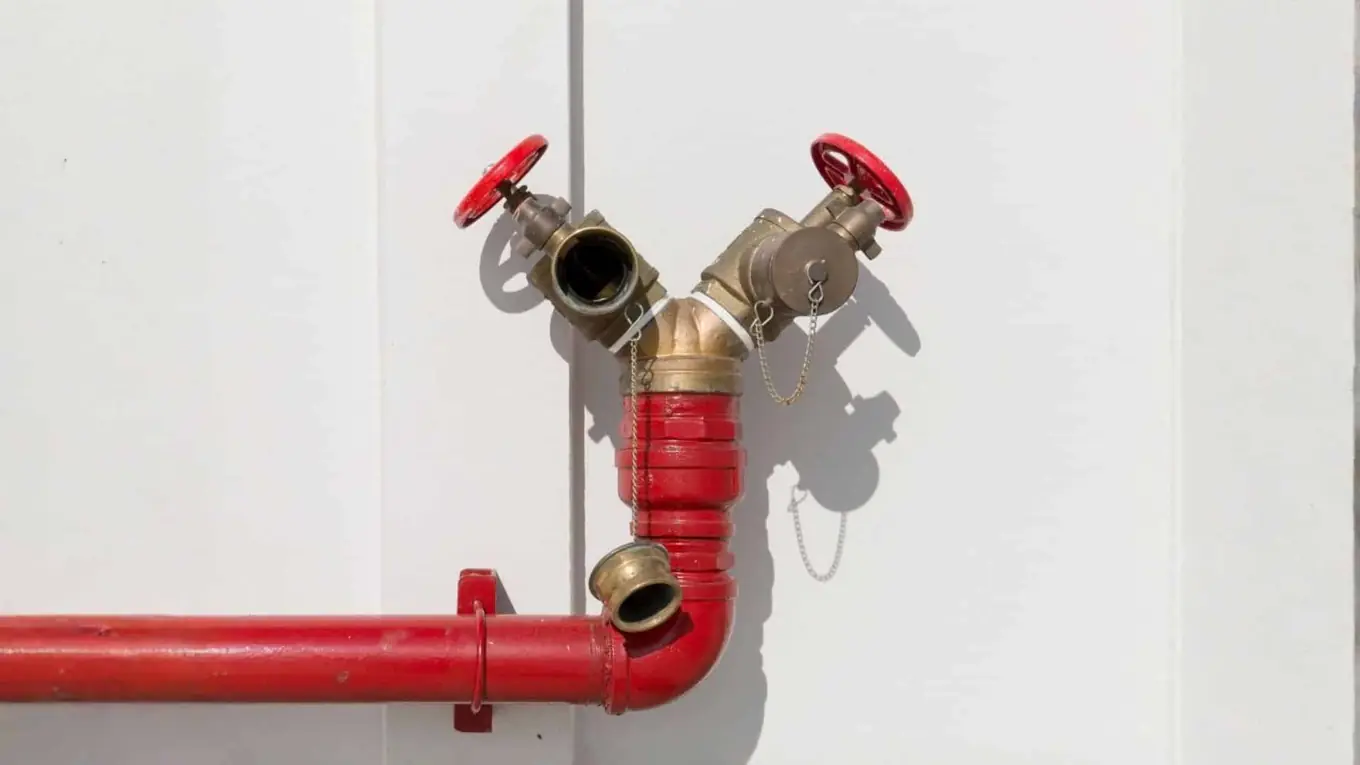
For owners, one of the best questions to ask is not “Are we done?” but “What still has to happen before the authority will accept this system?” That wording changes the conversation. It invites specifics. It surfaces dependencies. It helps the project team distinguish between installed work and accepted work.
Certification is not just a document, it is a chain of proof
People often use the phrase fire system certification Colorado as a catchall term. In practice, it is better understood as a chain of proof. The chain includes proper permitting where required, plan review and approval, installation consistent with the approved scope, testing, acceptance, and then ongoing inspection and maintenance.
Break one link in that chain and the owner feels it sooner or later.
A project might look finished but still lack final sign-off. A property might be occupied but vulnerable during its next annual inspection. A monitored system might be active but poorly documented. A sprinkler system might exist but fall behind on its inspection and testing obligations. That is why good commercial fire protection Colorado work is about more than installation alone.
For Denver buildings, it also means respecting the city’s inspection culture. Annual inspections are part of the local environment. Reviews can include both physical conditions and records. If corrections are ordered, they need attention. Owners who understand that from the start are usually better prepared to protect both occupants and schedules.
What approval and acceptance really tell you
At the end of a project, people naturally want a simple answer. Is the building ready or not?
Fire protection rarely rewards oversimplified answers. Approval tells you the work has been properly reviewed and can proceed within the required framework. Acceptance tells you the installed system has reached the point where the authority is prepared to recognize it for final sign-off purposes. Both matter, and neither should be assumed.
For commercial projects in Denver and across Colorado, that distinction is more than semantics. It shapes timelines, turnover, inspections, and long-term building operations. It affects everything from fire sprinkler installation Denver contractors perform to fire alarm monitoring Denver facilities depend on after occupancy. It connects design review with annual fire safety inspections Denver owners face long after construction crews leave the site.
When owners, contractors, and managers understand that early, they make better decisions. They ask better questions. They leave more room for testing, records, and coordination. And they are far less likely to be surprised when a nearly complete project still needs one more critical step before it is truly ready.
Pre Action Fire, Inc
2921 W 38th Ave, Denver, CO 80211, United States
Phone: (303) 682-0113
Website: https://preactionfire.com