Fire Extinguishers, Alarms, and Sprinklers: What Each System Does and Does Not Do
People often talk about "the fire system" as if a building has one all-purpose layer of protection. In real buildings, that is almost never true. Fire extinguishers, fire alarms, and sprinkler systems each do a different job. They overlap a little, but they are not substitutes for one another, and a lot of expensive mistakes start with assuming they are.
I have seen this confusion play out in ordinary ways. A tenant points to a row of extinguishers and assumes that means the building is well protected overnight. An owner invests in a new alarm panel and thinks that should reduce fire spread. A manager believes sprinklers will somehow detect a problem before smoke or heat reaches the room. None of those assumptions hold up for long.
If you manage a commercial property, a multifamily building, a restaurant, or a light industrial space, it helps to think of these systems as teammates with different roles. One is meant for immediate manual intervention. One is meant to detect, notify, and communicate. One is meant to control or suppress fire growth with water or another agent. Once you separate those functions, the maintenance schedule, code discussions, and upgrade decisions start to make much more sense.
Start with the simplest distinction
A fire extinguisher is a handheld tool. It depends on a person noticing a fire, choosing to act, using the right extinguisher, and getting close enough to be effective.
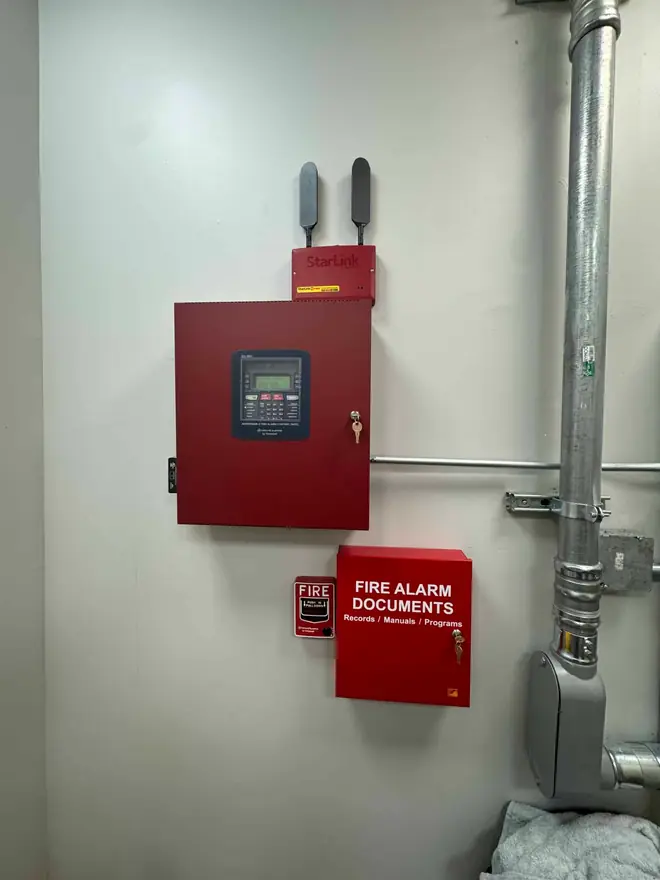
A fire alarm system is primarily a detection, notification, and signaling system. It tells occupants there is a problem and, depending on the design and local requirements, can also transmit that signal to a supervising service or other constantly attended point. In the Denver area, some applications require transmission to a central station, a commercial monitoring service, or a continuously staffed monitoring service. That matters because a loud horn inside the building and actual off-site signal transmission are not the same thing.
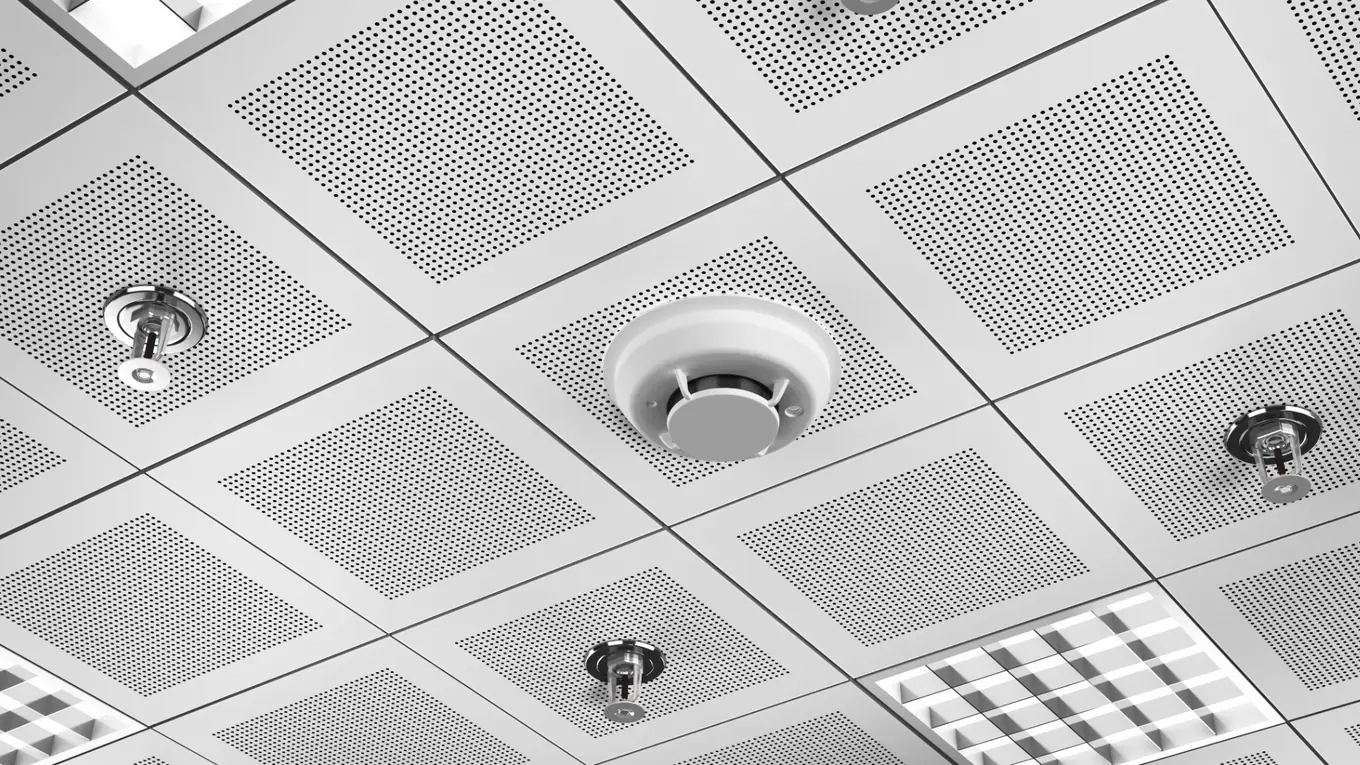
A sprinkler system is an automatic water-based fire protection system. Its basic purpose is to discharge water when heat activates the sprinklers, so the fire is controlled or suppressed early enough to limit growth and damage. That is a very different mission from sounding an alarm.
Those distinctions sound obvious when written out. In practice, many property decisions still blur them together.
What a fire extinguisher is good at
A properly selected extinguisher can stop a small, incipient-stage fire before it grows. That is its sweet spot. A trash can fire, a small piece of equipment beginning to burn, or a limited surface fire may be manageable by a trained person with the correct extinguisher nearby.
That "trained person" part is not filler language. It is the whole point. Extinguishers are not passive safety features. They demand judgment under stress. The user has to recognize what is burning, know whether the fire is still small enough to fight, understand whether there is a safe exit path behind them, and use the right agent. A bad extinguisher choice can make the problem worse. Even if the choice is correct, seconds matter, and panic is common.
This is why extinguishers should never be treated as a replacement for built-in protection. They are valuable, but they are only as good as the person holding them.
There is another practical limit that gets overlooked. Fire extinguishers do not protect a building when no one is there. If a fire starts at 2:00 a.m. In an unoccupied storage area, the extinguisher on the wall has no way to help on its own.
What a fire extinguisher does not do
It does not provide automatic detection. It does not wake sleeping occupants. It does not notify a monitoring service. It does not hold back fire spread in multiple rooms. It does not operate during an empty shift. And it does not make a hazardous room "safe" simply because an extinguisher is mounted at the door.
That last point matters in kitchens, mechanical rooms, and certain industrial settings. A standard extinguisher may be part of the protection plan, but it may not be the primary protective measure. A commercial kitchen fire suppression Denver project, for example, is a separate conversation from portable extinguishers. Cooking hazards often need specialized suppression at the equipment, not just a person with a cylinder nearby hoping to arrive in time.
What alarms do well, and where people overestimate them
A fire alarm system excels at discovering signs of fire and telling people what to do next. Detection devices, manual pull stations, horns, strobes, speakers, detectors, and control equipment all support that central mission. If you are discussing fire alarm detectors and panels Denver contractors or inspectors are reviewing, the core question is simple: how quickly and reliably will this system identify a problem and communicate it?
That communication may be local, through occupant notification appliances, or it may extend off-site through monitoring. In a larger risk picture, monitoring is often where owners gain the most practical value. Fire alarm monitoring Aurora CO services, where appropriate for the application, can be the difference between a signal that stays inside the building and one that reaches people who can initiate response.
Still, alarms are often credited with abilities they do not have.
A fire alarm does not put water on a fire. It does not cool a room. It does not contain heat release. It does not shut down burning on its own simply because the horn is loud. Even the best panel and the cleanest detector layout cannot physically control fire growth the way a sprinkler system can.
This confusion shows up after renovations. Someone upgrades the alarm panel, adds devices, and assumes the building now has stronger fire suppression. It may have stronger life safety signaling, better annunciation, better monitoring, or improved code compliance, but that is not the same as suppression.
Detection is not the same as suppression
This is where owners sometimes talk past their contractors. One side is discussing notification speed, detector spacing, and signaling pathways. The other side is focused on controlling a fire in the room of origin. Both are talking about fire protection, but they are talking about different layers.
NFPA 72 governs fire alarm and signaling system design, inspection, testing, and maintenance. In real terms, that means the system needs to be checked so it can do its intended job when a detector senses smoke or heat, when a pull station is activated, or when a supervisory or trouble condition occurs. If you are scheduling NFPA 72 fire alarm testing Denver services, you are testing a communication and life safety system. You are not testing whether the building can automatically apply water to a growing fire.
That distinction also helps when dealing with fire alarm false alarms Denver property teams sometimes struggle with. Repeated unintentional alarms are not just annoying. They can trigger code enforcement pressure, tenant frustration, and real expense. Denver's local code amendments address problematic systems and repeated false alarms, including repair or replacement when problems continue and reimbursement for some responses. So if the alarm system is creating nuisance trips, the answer is not to shrug it off because "at least it works." A system that alarms unnecessarily can become a management and compliance problem fast.
What sprinklers are built to do
A sprinkler system is there to react to fire conditions in a protected area and discharge water when the heat at the sprinkler is high enough to activate it. That automatic response is what changes outcomes. Fire grows by time, fuel, oxygen, and heat. A sprinkler attacks the growth curve early enough to keep a controllable event from becoming a building-wide loss.
That does not mean every sprinkler head in the building goes off at once. It means the sprinklers exposed to sufficient heat open and discharge where the fire is affecting them. In day-to-day conversations, that point still surprises people.
In Colorado, system type matters because climate matters. A dry pipe sprinkler system Colorado property owners use in areas exposed to freezing conditions has a different operating arrangement than a wet system. A pre action sprinkler system Denver facilities may choose for certain environments adds another layer of control before water enters the piping. These systems are selected because buildings are not all alike. A warehouse dock, an unheated canopy, a cold parking structure, an archive room, and an office suite do not present the same risks or environmental conditions.
Sprinkler freeze protection Colorado owners think about every winter is not a side issue. It is central to whether the system will remain serviceable. Freeze-related problems can damage piping, create impairments, and leave portions of a building unprotected exactly when no one realizes there is a vulnerability.
What sprinklers do not do
Sprinklers do not replace alarms. They may be connected to alarm functions through waterflow and supervisory devices, but their core purpose is suppression or control, not occupant notification strategy.
They also do not make maintenance optional. I hear some version of this all the time: "It is automatic, so there is not much to do." In reality, automatic systems only stay reliable when they are routinely inspected, tested, and maintained. NFPA 25 is the main standard for water-based system inspection, testing, and maintenance, and it sets minimum frequencies for many tasks. Some items are monthly. Some are quarterly, semiannual, annual, or longer interval checks. A sensible service calendar has to reflect that. If you are wondering about fire sprinkler inspection frequency Colorado building managers should expect, the answer is not one single annual visit that somehow covers everything.
An NFPA 25 inspection Colorado program is really a sequence of required checks over time. The frequency depends on the component and the condition being verified. That is one reason system records matter. Without organized inspection history, deficiencies tend to hide in plain sight.
Sprinklers also do not solve every fire scenario on their own. Some hazards call for specialized suppression. Commercial cooking is the classic https://andylfay437.huicopper.com/planning-fire-protection-denver-metro-projects-what-can-change-scope-before-design-and-installation-begin example. Sensitive rooms with electronics or assets that do not tolerate water may need a different approach, such as clean agent fire suppression Colorado facilities sometimes use where appropriate for the hazard and occupancy. The presence of a sprinkler system in the building does not automatically mean every local hazard has the right protection scheme.
Why these systems work best together
The strongest buildings use layers. Detection buys time. Notification moves people. Monitoring extends awareness beyond the site. Sprinklers control growth. Portable extinguishers give trained occupants a chance to stop a very small event before it spreads.
When one layer is missing, the others can still help, but the gaps become obvious. A building with alarms and no suppression may evacuate people effectively but still suffer major fire spread before responders arrive. A building with sprinklers and poor alarm notification may control the fire while occupants remain confused or delayed in their response. A building stocked with extinguishers but lacking automatic detection and suppression is gambling on human presence and fast reaction.
The best way I know to frame it is this:
- extinguishers are for first response by people
- alarms are for detection, notification, and signaling
- sprinklers are for automatic control or suppression
- specialized systems protect hazards that ordinary water or handheld response may not address
- none of these layers cancels the need for the others when the hazard truly calls for them
That short comparison saves a lot of circular debate in project meetings.
The local piece matters more than people expect
One thing that trips up owners in the Denver metro area is assuming model code language tells the whole story. It does not. Denver adopts the International Code Council code suite with local amendments, which means local fire and building requirements can differ from the base books people find online or hear about from projects in other cities. Requirements for monitoring, acceptance, upgrades, permits, and response to repeated false alarms can all have local implications.
So if you are scoping a tenant finish, a warehouse modification, a system replacement, or a hazardous process area, check with the authority having jurisdiction early. Waiting until submittal review to sort out interpretation is one of the slower and more expensive ways to learn what the local fire marshal expects.
That same caution applies to scheduling. Fire protection work often intersects with permit review, inspections, and acceptance timelines. Colorado and Denver processes can require authority review for regulated fire safety work and related hazards. If you leave that conversation until the end of the project, the occupancy date tends to slip.
Inspection is not paperwork theater
Some managers treat routine inspections as a box to check for insurance or a certificate binder. That mindset creates trouble. Inspection is where deficiencies are found before a real event exposes them.
NFPA 25 exists because water-based systems degrade, valves get left in the wrong position, gauges drift, components corrode, freeze exposure creates hidden risk, and occupancy changes alter the effectiveness of original protection assumptions. NFPA materials consistently point out that inspection and maintenance findings reveal many systems that are not actually in compliance or not in a fully reliable state.
Fire alarm systems have a parallel reality. Devices age. Panels develop chronic troubles. Notification appliances get damaged. Tenant improvements interrupt circuits. Monitoring paths change. Detection that once matched the use of a room can become a poor fit after operations change. That is why NFPA 72 fire alarm testing Denver schedules matter even in buildings where the system appears quiet and healthy. Silence is not proof of readiness.
A proper fire safety inspection Lakewood CO or anywhere else in the metro area should not feel like someone just glanced at red equipment and moved on. The point is to find the condition that would matter on the worst day, not to admire the hardware on the best one.
A few judgment calls that come up in the field
There are certain edge cases where owners benefit from a little nuance instead of simple yes-or-no answers.
A pre-action system is not automatically "better" than every other sprinkler design. In the right setting, a pre action sprinkler system Denver facilities may choose can reduce some concerns about accidental water introduction into sensitive spaces. In the wrong setting, extra complexity without a real need can add cost and maintenance burden.
A dry system is not simply a winterized wet system. A dry pipe sprinkler system Colorado buildings use for freeze-prone spaces addresses a specific environmental challenge, but it also changes the system arrangement and maintenance picture. Owners should understand why it is there and what conditions could compromise it.
An alarm system that has nuisance trips is not just a public relations problem. Repeated false activation can change how occupants respond over time, and local enforcement may push for repair or replacement if the issue continues. That makes false alarm reduction a life safety issue, not merely an annoyance issue.
Monitoring is not universal by default. Some systems require transmission to supervising services based on occupancy or application, and some owners wrongly assume every fire alarm automatically reports off-site. It does not unless it is designed and arranged to do so.
A certificate is not the same thing as understanding the system. Fire system certification Denver owners ask about is important, but the piece of paper only has value if the underlying system is actually appropriate, functional, and maintained.
Questions worth asking before you assume you are covered
When I walk a site with an owner or manager, the most useful conversation usually starts with a few plain questions.
- If a fire starts when the building is empty, who or what will know first?
- If occupants need to leave, how will they be notified?
- If the fire grows for five minutes before the fire department arrives, what in the building actively limits spread?
- Are there any hazards, such as cooking operations or sensitive equipment rooms, that need protection beyond the basic building systems?
- Is the inspection and testing calendar built around actual required frequencies, or just habit?
Those questions do more than a dozen vague reassurances.
The most common misunderstanding of all
The biggest misunderstanding is believing that the presence of one visible fire safety feature means the building is broadly protected. Fire safety does not work like that. A red canister on the wall, a blinking panel at the entrance, or a sprinkler riser in the mechanical room each tells only part of the story.
What matters is whether the building has the right combination of systems for its hazards, whether those systems are maintained under the right standards, and whether local requirements have been accounted for. In Colorado, especially along the Front Range where building types and winter conditions vary so much, that usually means paying attention to system type, freeze exposure, monitoring arrangements, and inspection frequency instead of relying on assumptions.
If you remember only one practical idea, make it this: extinguishers help people fight small fires, alarms help people know and respond, and sprinklers help the building survive the fire long enough to keep the damage from running away. Once you stop expecting one system to do another system's job, better decisions follow.