Fire Code Compliance Denver: How to Manage Inspection Reports and Certification Paperwork
If you manage a commercial property in Denver, the paperwork tied to fire protection can feel harder to control than the equipment itself. A sprinkler riser room is at least visible. A stack of test reports, deficiency notices, permits, and certifications tends to disappear into email folders, filing cabinets, and turnover binders. Then the fire marshal asks for records, a tenant build-out starts, or a system trouble condition leads to a closer review, and suddenly everyone is hunting for documents that should have been easy to find.
That scramble is avoidable.
Denver uses the International Code Council building and fire code family with local amendments, and projects in the city can require permits and reviews under those rules. The Fire Prevention Division has authority to inspect buildings, equipment, and life safety systems, and it can investigate disabled or nonfunctioning fire protection systems. In practical terms, that means your records are not just admin work. They are part of demonstrating that the building’s life safety systems are being maintained, tested, and handled correctly.
For most owners and facility managers, the real challenge is not understanding that inspections matter. It is building a recordkeeping process that holds up through tenant changes, contractor changes, renovations, staff turnover, and the occasional emergency call at 6:15 on a Friday evening.
Why the paper trail matters as much as the test itself
A passed inspection is important, but a passed inspection that nobody can document is a problem waiting for the wrong day. Fire code compliance Denver conversations often focus on what equipment is installed, whether alarms activate, whether valves are supervised, whether extinguishers are tagged. All of that matters. Still, the administrative side carries its own weight because the authority having jurisdiction, often called the AHJ in code language, is the local official who enforces the applicable requirements. Depending on the matter at hand, that could mean the fire marshal, fire chief, building official, or another designated authority.
When an AHJ asks for proof of inspection, testing, maintenance, or correction of deficiencies, the answer needs to be more precise than, “Our vendor was here sometime in the spring.”
In the Denver area, this comes up constantly during ownership transitions, insurance reviews, tenant improvement planning, annual budgeting, and response to notices from inspectors. A property manager might inherit a site where reports exist, but only as partial scans. Another building may have decent sprinkler records, but missing alarm documentation. I have also seen properties where a great vendor did solid work for years, but no one kept a master log tying the reports to the deficiencies that were later corrected. On paper, it looked as if old problems were still open.
That is one reason experienced teams treat paperwork management as part of the fire protection Denver metro program, not as an afterthought handled by whoever has time.
The systems that usually generate the most records
Different life safety systems produce different types of reports, and the file burden increases quickly as building complexity grows. A small office suite may have basic alarm and extinguisher documentation. A larger mixed-use or industrial property can accumulate records from multiple disciplines and multiple contractors.
For example, fire alarm system maintenance Denver work is typically documented under the standard that governs inspection, testing, and maintenance of fire alarm and emergency communications systems. Water-based systems such as sprinklers, standpipes, fire pumps, and related components are generally maintained and evaluated under the standard that covers inspection, testing, and maintenance of water-based fire protection systems. Automatic sprinkler system design and acceptance work also connects back to the installation standard for sprinkler systems. If your building includes suppression beyond standard sprinklers, the file may also contain separate fire suppression system inspection Denver records depending on the installed equipment.
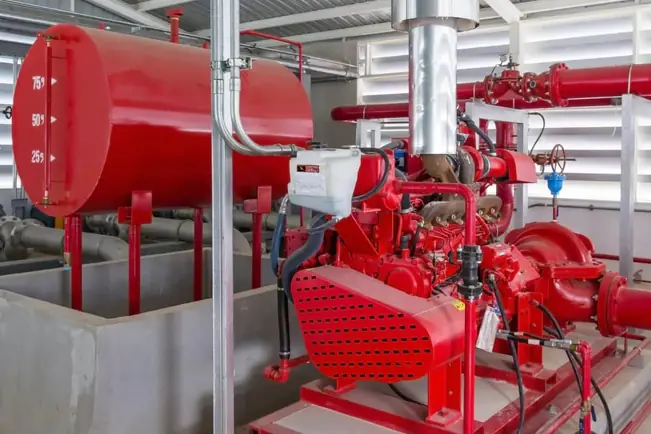
Then there are the connected pieces. Commercial fire sprinkler systems Colorado properties often rely on backflow assemblies, and backflow preventer testing Denver paperwork can end up in a different department if no one intentionally organizes it. Fire pump testing Colorado reports may go to engineering, while alarm reports stay with property management. Fire extinguisher service Denver tags and invoices often land with janitorial or facilities records, which sounds harmless until someone asks for a complete life safety compliance package.
The result is predictable. The building may be reasonably well maintained, yet the documentation lives in fragments.
What a strong compliance file looks like in real life
The best files are not always the prettiest. They are the ones a new manager can understand in ten minutes.
You want a record set that answers four practical questions. What systems are installed? What inspections and tests have been completed? What deficiencies or impairments were found? What proof exists that corrective action was taken?
That sounds simple, but there is a difference between having documents and having a usable compliance history. A service report that notes a failed device is only half the story. If the repair invoice, retest result, or follow-up certification is missing, you still have a gap. The same goes for remodeling work. Tenant improvement fire protection Denver projects frequently trigger permit, review, and inspection activity related to plumbing, fire suppression, and fire alarm work. If those documents are not added back into the main building record, future teams may not know which areas were revised, what equipment was added, or what approvals closed the work.
A good file usually includes at least these core categories:
- current inspection and test reports for each fire protection system
- deficiency notices, impairment records, and related follow-up documentation
- permits, approvals, and closeout paperwork from alterations or tenant finish work
- certificates, tags, and service documentation tied to completed maintenance
- a simple system inventory showing where each type of record is stored
That list may look basic, but it solves most of the confusion I see in the field. It also helps when multiple vendors are involved. One company may handle alarm testing, another may perform sprinkler inspections, another may do fire extinguisher service Denver work, and another may be responsible for backflow preventer testing Denver. Without a unified owner-side file, no one sees the whole picture.
Deficiencies, impairments, and the mistake that creates repeat findings
Many managers use the words deficiency and impairment interchangeably, but the important point is this: once a report identifies a problem, you need to track both the condition and the response. NFPA guidance makes clear that findings, deficiencies, and impairments are part of normal fire protection system maintenance and must be addressed under the applicable standard.
This is where a lot of buildings get tripped up during a fire marshal inspection Colorado review. The issue is not always the original fault. It is the absence of documented follow-through.
Imagine a quarterly sprinkler inspection notes a damaged gauge or a valve issue. The contractor flags it. Maintenance means to handle it quickly, but then a roof leak, a staffing gap, and an HVAC problem push it out two weeks. The next month, an annual test report still references the earlier issue because the repair paperwork never made it back to the inspector, or the retest was never documented clearly. Now you have a report trail that suggests a lingering problem, even if the physical issue was fixed.
The same thing happens on the alarm side. A panel trouble condition may be corrected, but unless the service record states what happened and whether the system returned to normal, the building file remains fuzzy. If the property later pursues a fire alarm panel upgrade Colorado project, missing historical records can complicate conversations about what is existing, what is obsolete, and what has already been addressed.
A clean closeout matters. Not because it looks nice in a folder, but because it prevents old findings from becoming permanent ghosts in your records.
Set up one owner log, even if you use several contractors
The single most useful tool for compliance paperwork is not specialized software. It is a consistent owner-maintained log. That can be digital, paper-based, or both. What matters is that it lives with the property, not with an individual employee or vendor.
For each report, note the date, system, contractor, result, deficiencies if any, and status of correction. If work was tied to a permit or tenant improvement, note that too. This one habit changes everything. It lets you see missed cycles, open items, and overlapping scopes before an inspector does.
I worked with a team once that managed several buildings and believed they had poor contractor performance because deficiencies kept “coming back.” After a file review, the issue turned out to be internal record mismatch. A repaired item from one visit was never connected to the original finding, and a new contractor kept listing the old deficiency number because that was the only paperwork on hand. Once the owner created a master log and attached corrective documents to each finding, the repeat issues all but disappeared.
That is not glamorous process work, but it saves time and protects credibility.
Renovations and tenant changes are where files often break
Routine annual testing is relatively easy to track. Construction is where disorder creeps in.
Denver’s permit materials for tenant finish and alteration work indicate that plumbing, fire suppression, and fire alarm permits can be part of tenant improvement projects. Fire alarm and sprinkler-related work can also be tied to permit review and inspection during remodeling and construction. If you manage leased space, this should set off an alarm bell, figuratively speaking. Every tenant change can alter the fire protection document trail.
A restaurant conversion, an office demising wall, a medical suite remodel, or even a reworked storage area can trigger fire protection review. If the tenant’s contractor pulls the permit and manages closeout, the owner may assume the records will naturally find their way into the base building file. They often do not.
Months later, someone is trying to verify what changed above a ceiling, which sprinkler heads were added, whether alarm devices were relocated, or whether acceptance documentation exists. The answer is usually buried in a project folder that accounting archived under a tenant name instead of a building system category.
Tenant improvement fire protection Denver jobs should always feed back into the permanent property record. That includes the permit references, approved scope, final inspections where applicable, and any updated certifications or as-built style documentation provided at closeout. Even if the work was minor, the historical chain matters.
Prepare for the inspection before anyone asks
The smartest managers build an inspection-ready file long before a request arrives. That is especially useful because the Denver Fire Prevention Division is authorized to inspect life safety systems and investigate disabled or nonfunctioning fire protection systems. If an issue comes up, you do not want your first organizational effort to begin after the phone rings.
A practical prep routine looks like this:
- review your system records on a set schedule, not only after service visits
- verify that open deficiencies have a documented owner, deadline, and closeout path
- store permits and project closeout records with the main life safety file, not in a separate construction archive
- keep the most recent reports easy to access on site and digitally
- check that contact information for vendors and internal decision-makers is current
That list is short on purpose. If the process becomes too elaborate, people stop using it. A simple system that gets maintained beats a sophisticated one that dies after two quarters.
Common weak spots in Denver-area portfolios
The paperwork issues I see most often are surprisingly consistent across office, retail, industrial, and mixed-use properties.
One is split custody. Engineering has the sprinkler reports. Property management has the alarm records. Accounting has the invoices. The tenant coordinator has the remodel permits. No one owns the full compliance file.
Another is overreliance on tags. A tag on an extinguisher or device may indicate service occurred, but it is not the same as a complete report. For emergency fire protection Colorado planning, especially in a larger facility, tags are useful field markers, not a substitute for organized documentation.

A third weak spot is missing context around impairments. When a system was disabled for repair, was the duration documented? Was the return to service documented? Was there a linked report showing the condition was resolved? If that chain is unclear, you are left explaining a story from memory, and memory is rarely persuasive under pressure.
Then there is the “we upgraded something last year” problem. A fire alarm panel upgrade Colorado project may solve operational headaches, but if the old records, scope of work, and closeout documents are not organized together, future service teams may struggle to determine what remains from the legacy system and what changed. That can waste labor and create avoidable confusion during troubleshooting.
How to talk with service vendors so the paperwork improves
Most contractors can provide better documentation if the owner is clear about expectations. Do not assume every report format will match your internal needs. Ask for consistency.
If you work with a fire protection Denver metro provider, tell them how you want deficiencies identified, how corrected items should reference the original issue, and where final reports should be sent. If multiple services are being performed, such as commercial fire sprinkler systems Colorado inspections, fire alarm system maintenance Denver, and backflow preventer testing Denver, ask whether reports can be packaged in a predictable way. Even a naming convention helps.
For local context, a company such as Pre Action Fire, Inc is one example of a fire protection company serving the Denver area. The larger point is not which contractor you use. It is whether the owner establishes a documentation standard that survives contractor changes.
Good vendors usually appreciate this. It reduces back-and-forth later and makes it easier to support the property during audits, inspections, and project planning.
Digital records are great, but only if someone curates them
A shared drive stuffed with PDFs is not a compliance system. It is storage.
Digital files work best when someone decides, consistently, how they will be named, where they will live, and how open issues will be tracked. A folder labeled “Fire Stuff” with 84 unsorted attachments is only slightly better than a banker’s box in a maintenance office.
Create a folder structure by building, then by system, then by year, or by year and system if that fits your team better. Save the raw report, then save any follow-up repair, retest, or approval documents right next to it. If a deficiency was corrected under a separate invoice, connect those records in the file name or in your owner log.
This becomes even more important for emergency fire protection Colorado events. If a system goes down after hours and temporary measures or urgent repairs are involved, the record should capture what happened, when service was restored, and what final documentation closed the matter. Emergencies produce some of the messiest paperwork because the first priority is understandably operational. That is exactly why a post-event file cleanup step is worth building into your process.
The best time to fix your files is before a transaction, refinance, or dispute
People usually tackle paperwork only when forced. A sale, a lender request, an insurance question, a major remodel, or a notice from the AHJ tends to trigger the cleanup. By then, the work is slower and more expensive because the missing pieces are older.
If your building has not had a records audit in a while, do one now while the stakes are lower. Pull the last year of reports for alarms, sprinklers, suppression if applicable, extinguishers, pumps if applicable, and backflow if applicable. Match each deficiency to a resolution. Identify gaps. Then go back further if needed.
For buildings with active remodels or high tenant churn, include every recent permit-related life safety record in that review. Denver’s code and permit environment means system changes and inspections tied to construction can affect your permanent compliance history. Treat those project documents as operational records, not just construction paperwork.
That mindset shift makes a big difference. Fire code compliance Denver is not simply passing the next inspection. It is maintaining a reliable, defensible history of how the building’s life safety systems have been inspected, tested, maintained, and updated over time.
When your records are organized, inspections tend to go more smoothly. Deficiencies are get details easier to close. Tenant projects are easier to coordinate. New managers can step in without starting from scratch. Most importantly, you spend less time proving what happened and more time making sure the systems protecting the building actually stay ready.