Do Local Rules Match the Model Code? Why Denver Owners Should Confirm Requirements With the Fire Marshal or Authority Having Jurisdiction
If you own or manage a building in Denver, it is tempting to assume the answer is sitting in a model code book somewhere. You look up the International Fire Code, check an NFPA standard, talk to a vendor, and expect a clean yes or no. In practice, that is rarely how fire protection work goes.
Denver adopts the International Code Council family of codes with local amendments. That single detail changes a lot. A model code gives you the baseline, but the version enforced on your project may include city-specific revisions, local interpretations, permit procedures, and enforcement priorities that matter just as much as the printed standard. The result is simple: before you commit to a design, schedule work, or sign off on a repair strategy, confirm the requirement with the fire marshal or the authority having jurisdiction, often shortened to AHJ.
That extra phone call or plan review question can prevent expensive rework. It can also keep a routine project from turning into a scramble when inspection day arrives.
The model code is the starting point, not the finish line
Owners often hear a contractor say, “This is what the code requires,” as if code is one fixed national document. It is not. A model code is exactly what the name suggests, a model. Cities and jurisdictions adopt it, amend it, and enforce it in their own way.
Denver does this with its building and fire codes. That means a system that might appear acceptable under a base model code still has to satisfy Denver’s adopted version and local amendments. It also means procedures around permits, monitoring, documentation, and corrective action can differ from what someone has seen in another city or county.
This matters most when the work is not routine. A straightforward sprinkler head swap is one thing. A tenant improvement that changes occupancy use, a remodel that affects ceiling layouts, or a project involving suppression in a cold loading dock or server room is another. The more specialized the system, the more likely local review will shape the final answer.
I have seen this play out in a familiar pattern. An owner gets preliminary guidance from someone who works regionally. The advice is not reckless, but it is broad. Then the local reviewer asks for something that was never priced, a different monitoring arrangement, added documentation, or a revised sequence of operation. Nobody was wrong, exactly. They were just answering different questions. One answered, “What is generally done?” The other answered, “What is required here?”
That distinction can save weeks.
Why Denver owners get tripped up
Denver is not unusual in having amendments, but many owners still underestimate what that means in day-to-day decision-making. The common mistake is treating standards and enforced requirements as if they are interchangeable.
NFPA 25, for example, is the main standard for inspection, testing, and maintenance of water-based fire protection systems. It sets minimum frequencies for many tasks, and those frequencies can include protecting buildings in the Denver area monthly, quarterly, annual, semiannual, and multi-year work. That is essential information for anyone planning service budgets and maintenance calendars. Still, knowing NFPA 25 exists does not automatically answer every local compliance question. You still need to know how Denver expects the work to be documented, what permit or acceptance steps may apply to related work, and whether local amendments affect the project scope.
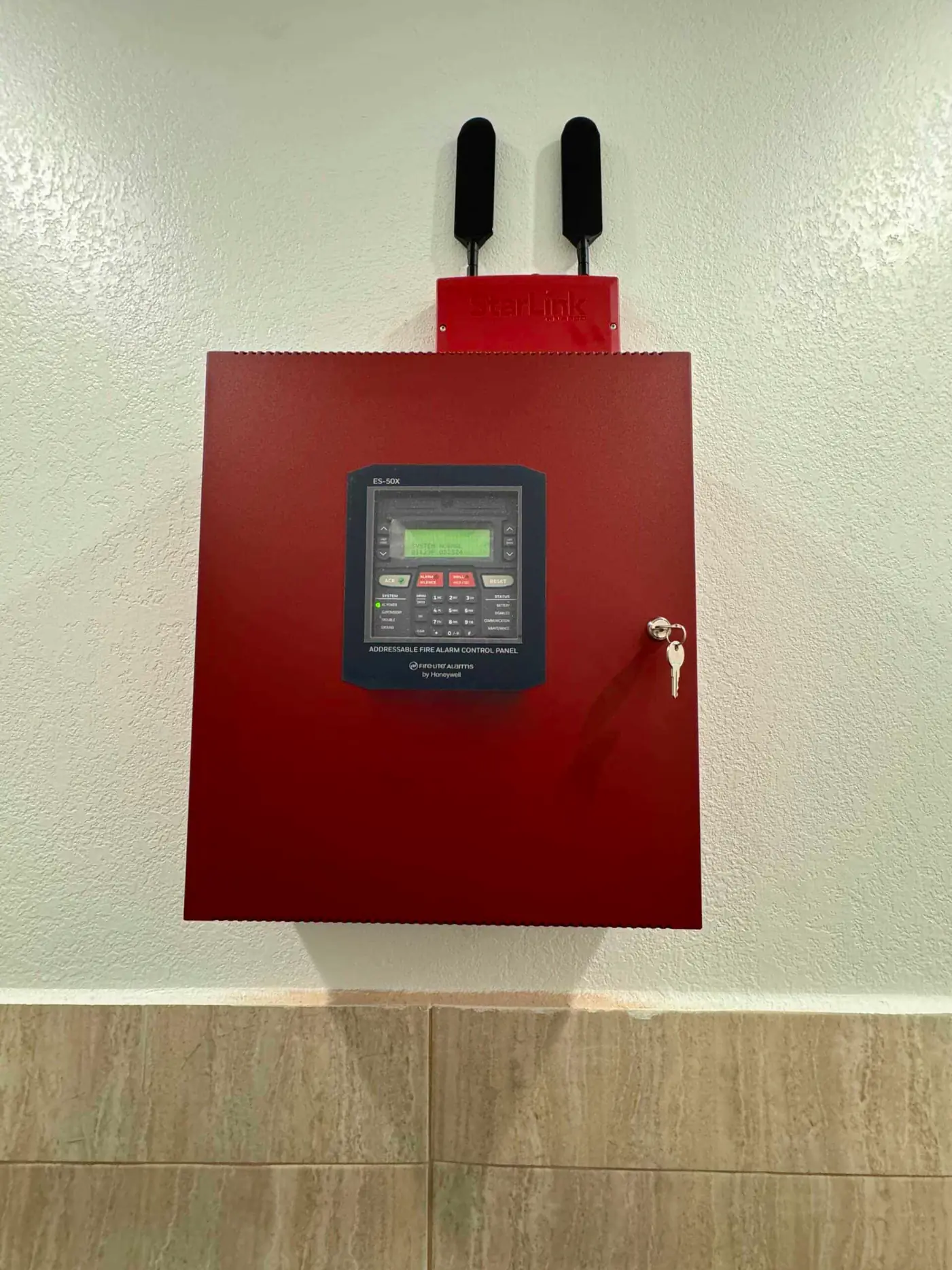
The same principle applies to NFPA 72 fire alarm testing Denver properties rely on. NFPA 72 covers fire alarm and signaling system design, inspection, testing, maintenance, monitoring, and emergency communications functions. It is the backbone for understanding alarm systems. But owners should not assume that reading NFPA 72 alone tells them everything the city will require for a specific installation, modification, or monitoring arrangement.
The practical issue is not academic. It affects real money, real schedules, and real occupancy.
False alarms are not just an annoyance
One area where local rules matter a great deal is false alarms. In some buildings, repeated nuisance signals get treated like background noise until they become a problem with the city, the tenants, or both. That is risky in Denver.
Denver’s fire code amendments address false alarms and problematic fire alarm systems. They also provide for repair or replacement when unintentional false alarms repeat, and they allow reimbursement for some false alarm responses. That means the cost of ignoring a flaky system is not limited to irritated occupants and late-night phone calls. It can become an enforcement and financial issue.
For owners dealing with fire alarm false alarms Denver building staff complain about week after week, this is where local confirmation matters. The question is not just whether the panel still functions. The question is whether the system’s condition and performance have crossed into a category that local officials will expect you to correct more aggressively.
Sometimes the root cause is simple, a dirty detector, a device placed too close to a recurring environmental condition, or deferred maintenance on older fire alarm detectors and panels Denver facilities have kept running for years. Sometimes it is more involved, especially after tenant improvements where devices stayed in old locations while airflow, partitions, or ceiling use changed. The model code language helps frame the system’s purpose. The local authority decides how repeated unwanted signals will be addressed in that jurisdiction.
That is why I usually tell owners not to wait for a third or fourth nuisance event before asking the AHJ what documentation and corrective action they expect. By then, everyone is behind.
Sprinkler systems and winter conditions make local review even more important
Colorado weather forces owners to think hard about freeze risk. A sprinkler system that works well in conditioned space may be the wrong answer in an exposed vestibule, unheated loading area, attic zone, parking structure, or canopy-adjacent room. That is where discussions about wet systems, dry systems, and preaction arrangements begin, and where assumptions can get expensive.
A dry pipe sprinkler system Colorado buildings use for cold environments exists for a reason. So does a pre action sprinkler system Denver owners may consider when they want added protection against accidental water discharge in sensitive spaces. But the right system type is not something to choose from a product sheet alone. It has to fit the occupancy, the environmental conditions, and the local approval path.
Owners also tend to use “freeze protection” as if it were one decision. In reality, sprinkler freeze protection Colorado projects usually involve a series of linked questions. Is the area reliably heated? Is the temperature risk seasonal or constant? Will doors be propped open during operations? Is the piping exposed to wind or intermittent heat loss? Is the system arrangement creating a maintenance burden that the staff can actually support?
The AHJ’s involvement matters because freeze-related design choices can affect more than just pipe type. They can affect testing expectations, monitoring logic, valve arrangements, and acceptance procedures. A system that looks efficient on paper can become a headache if its maintenance demands do not line up with the building’s operating reality.
I have seen owners try to solve freeze exposure by adding heat in a way that looked adequate during design review but proved unreliable during a cold snap. Then everybody ends up debating whether the original intent still matches the installed conditions. That conversation is much easier before installation than after the first impairment notice.
Inspection frequency is a planning issue, not just a compliance issue
A surprising number of owners think of inspections as annual events. That is understandable because annual service is visible and easy to budget. The trouble is that water-based fire protection systems do not operate on a one-date-per-year schedule.
NFPA 25 inspection Colorado service providers follow includes different intervals depending on the component and task. Some checks happen monthly, others quarterly, semiannually, annually, or on longer cycles. If you are trying to understand fire sprinkler inspection frequency Colorado requirements in a practical sense, the best answer is that there is no single frequency for “the sprinkler system” as a whole. There is a service calendar built around different items with different intervals.
That becomes especially important when a building has multiple system types or unusual environments. A simple office building with a straightforward sprinkler layout is easier to plan for than a mixed-use property with cold storage, a kitchen, tenant data rooms, and a parking structure. In the second case, if the owner only budgets for one annual visit, they are already behind the system’s needs.
A good maintenance plan usually does two things well. First, it maps the standard intervals to the actual equipment in the building. Second, it checks whether any local procedure or permit step changes how work should be scheduled. This is another place where a quick confirmation with the fire marshal or AHJ can save frustration. You want to know whether your testing sequence, outage planning, and records are aligned before the inspection window tightens.
Fire alarm monitoring is another area where local detail matters
Monitoring sounds simple until you are standing in the middle of a renovation. Someone asks whether the system needs central station service, whether an existing arrangement can remain, or whether an upgraded emergency communication component changes the answer.
Denver’s code requires some fire alarm or emergency communication devices to transmit to a central station, commercial monitoring service, or continuously staffed monitoring service, depending on the application. That means the local requirement is tied to the specific use and setup, not just the owner’s preference.
For a property team comparing options for fire alarm monitoring Aurora CO or Denver-area facilities, this is where regional assumptions can cause trouble. A monitoring arrangement that has worked at another site may not be the right fit for the new one. Owners should be careful about broad statements like, “We always use this provider setup,” or, “This occupancy never needs that level of monitoring.” The local code path and approved application still control.
This point is easy to overlook when a project focuses on hardware. People spend weeks choosing devices and almost no time thinking through transmission and supervision requirements until late in the process. Then monitoring becomes the bottleneck.
Special hazard and kitchen systems need early conversations
The farther a project moves from a standard wet sprinkler and conventional fire alarm arrangement, the more valuable early AHJ confirmation becomes.
Take commercial kitchen fire suppression Denver projects. Kitchen suppression systems sit at the intersection of life safety, cooking operations, mechanical changes, and inspection coordination. The hood may be part of a broader renovation, and small field changes can ripple into suppression coverage, shutdown functions, and approval timing. Even if a contractor knows the applicable standard very well, local process and review expectations still matter.
The same goes for clean agent fire suppression Colorado installations. Owners often think of these systems in terms of room protection and asset value, which makes sense. But a clean agent system may also interact with fire alarm controls, detection logic, notification behavior, and monitoring. If the owner assumes the sequence is standard everywhere, the project can stall when local review asks for revisions or clarifications.
Special hazard systems are not the place to rely on “This is how we usually do it.” They are the place to ask, early and specifically, “How does your office want this handled?”
Certification, acceptance, and the paperwork most owners underestimate
Many disputes that owners call “code issues” are really documentation issues. The system may be physically correct, but the approval process is incomplete, the records are inconsistent, or the authority cannot verify what was intended.
That is why fire system certification Denver projects should be treated as a process, not just a final piece of paper. Certification often depends on what was installed, how it was tested, how it was documented, and whether the responsible parties coordinated at the right time. When permits and inspections are involved, poor sequencing can be just as damaging as poor workmanship.
This gets especially messy in occupied buildings where the owner wants phased turnover. One floor is ready, another is waiting on devices, a kitchen vendor is late, and the monitoring setup is still being modified. Everyone wants a temporary path forward. Sometimes there is one, sometimes there is not. The only reliable way to know is to get the local authority’s direction before assumptions harden into promises to tenants.
The smart questions to ask before work starts
You do not need to call the AHJ for every minor service item. But when the work affects design intent, monitoring, occupancy use, unusual suppression methods, freeze exposure, or repeated system trouble, the call is worth making.
Here are the questions that tend to clear up the most confusion:
- Does this scope require permit review, and if so, under what category?
- Are there Denver amendments or local interpretations that affect this system type or occupancy?
- What testing, acceptance, or documentation will your office expect at completion?
- If the project is phased or the building stays occupied, what temporary protection measures are acceptable?
- For repeated nuisance alarms or system deficiencies, what corrective action timeline should we plan around?
Those five questions can prevent a lot of expensive improvisation later.
A quick example from the field
Picture a mid-sized commercial building with an older alarm panel, a remodeled tenant suite, and a cold service corridor near an overhead door. The owner is hearing three different recommendations. One vendor says to leave the sprinkler arrangement alone and add heat. Another recommends a dry pipe conversion in the cold area. A third flags the alarm panel because of recurring nuisance events tied to detector behavior after the remodel.
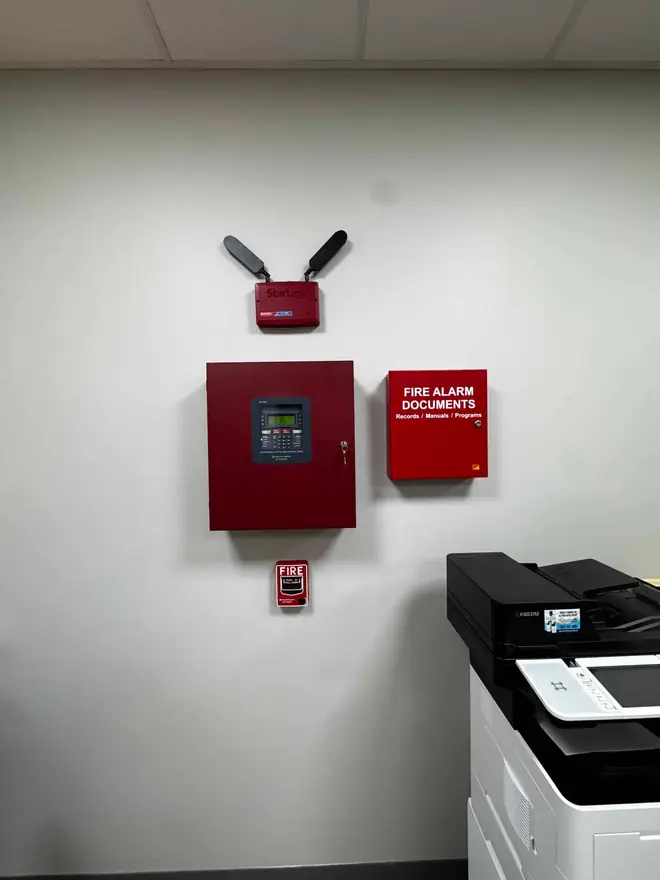
At first glance, those seem like separate issues. They are not. The cold corridor raises sprinkler freeze protection Colorado concerns. The nuisance events point toward a deeper review of fire alarm detectors and panels Denver authorities may expect the owner to address if false alarms keep repeating. If the remodel changed device layout or environmental conditions, the testing and records matter too, especially under NFPA 72 fire alarm testing Denver practices. And if monitoring arrangements are also being touched, local transmission requirements may come into play.
An owner who treats each item as a standalone repair may spend money three times. An owner who pauses and confirms local requirements can often combine the work into one coordinated correction, with a cleaner approval path.
Local enforcement is part of risk management
There is a broader reason to verify requirements locally, even when you think you already know the standard. Enforcement risk is operational risk.
A missed local requirement can delay occupancy, trigger reinspection, extend impairments, or force after-hours corrective work. It can also create friction with insurers, tenants, lenders, and internal safety teams who assumed the building was “fully compliant” because a contractor referenced a national standard.
That is why a fire safety inspection Lakewood CO or Denver-area review should never be treated as just another vendor appointment on the calendar. These inspections sit inside a larger framework of adopted codes, amendments, and official interpretation. Owners who understand that tend to make better decisions earlier.
The best property managers I know are not the ones who memorize every code section. They are the ones who know when a decision has crossed the line from routine maintenance into AHJ territory. That judgment is worth more than any one-page checklist.
What owners should do when answers conflict
Conflicting advice is common. A designer, service contractor, monitoring company, insurer representative, and city reviewer can all look at the same system from different angles. When that happens, owners should avoid turning the dispute into a guessing game.
A simple approach usually works best:
- Gather the exact scope, affected system type, and occupancy details in writing.
- Ask the contractor or designer to identify which model code or standard they are relying on.
- Contact the fire marshal or AHJ with the specific question, not a vague request for general guidance.
- Document the response and circulate it to the project team.
- Align the schedule, budget, and testing plan to that direction before installation moves further.
That kind of discipline feels slow in the moment, but it is usually faster than arguing in the field after equipment is already installed.
The real value of confirming early
Owners sometimes resist reaching out because they worry the process will become more complicated once the authority is involved. Sometimes it does become more formal. But formal is not the same as difficult. Formal usually means clear.
Clear requirements help everyone. The contractor prices the right scope. The engineer designs to the actual approval standard. The monitoring provider understands the expected transmission path. The owner can budget for the right inspection cadence under NFPA 25 inspection Colorado expectations and avoid surprise upgrades later. Most important, the building ends up with a system that is not just theoretically compliant, but accepted where it is installed.
That is the point that gets lost in a lot of code conversations. Compliance is local in practice. The model code and the NFPA standards matter deeply, but they do not replace the authority that enforces the adopted rules in your city.
For Denver owners, that makes the next step pretty straightforward. When the project touches alarms, sprinklers, monitoring, kitchen suppression, clean agent protection, certification, or anything exposed to freeze risk, do not stop at the model code. Confirm the requirement with the fire marshal or authority having jurisdiction before the work gets too far down the road. It is one of the least expensive decisions you can make, and one of the most useful.